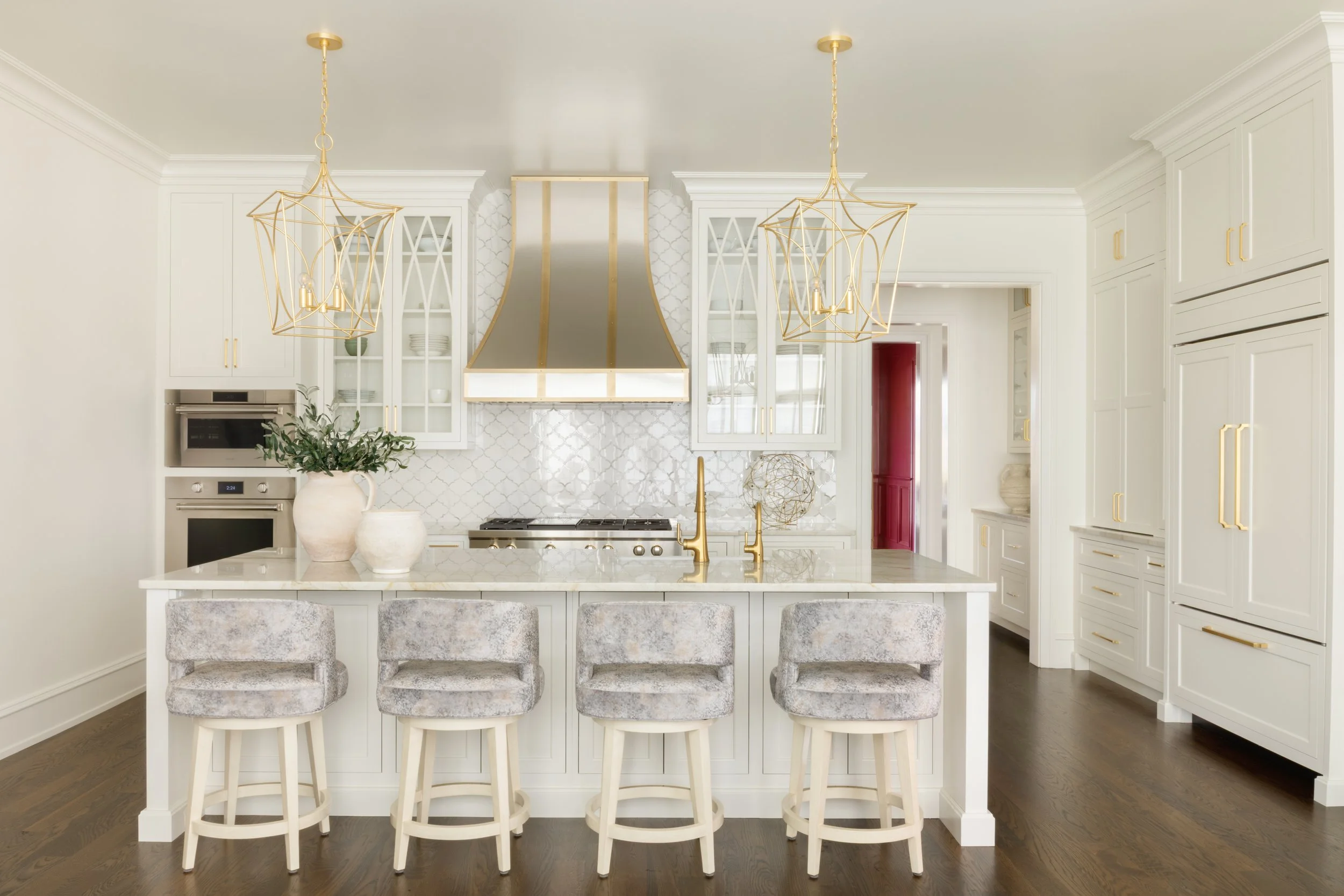
Luxury custom home kitchen by Will Johnson Building Company in the Triangle NC with white cabinetry, oversized island, gold hardware and lighting, and high-end residential interior design with open layout
Design Development and Construction Documentation for Custom Homes: Turning Vision Into Buildable Precision
By the time a custom home reaches Phase III, vision has already been tested against site conditions, refined through schematic planning, and aligned with preliminary budgeting. What remains is precision. This stage is where ideas transition from concept into instruction, and where every decision must be documented clearly enough to eliminate uncertainty during construction.
For $2M+ custom homes across Raleigh, Durham, Cary, and the surrounding Triangle, this phase protects investment by removing ambiguity before the first shovel hits the ground. It builds directly on the clarity established during feasibility and site study and the structure defined during schematic design.
At Will Johnson Building Company, Phase III is where discipline intensifies. Every structural component, material selection, and system integration is coordinated and documented. The goal is simple: when construction begins, execution follows a clear plan rather than interpretation, supported by a proven design-build process.
What the Design Development Phase Accomplishes
Design development refines and finalizes the home’s technical direction. It advances schematic plans into fully coordinated documentation that addresses structure, systems, materials, and finishes. This phase builds directly on early planning through custom home design and planning, ensuring that every decision is aligned before construction begins.
Structural Engineering Coordination
Structural systems are fully defined during this phase, ensuring that the home can support its design intent without introducing unnecessary complexity. These decisions align closely with earlier planning from value engineering strategies, where efficiency and performance are balanced.
Cabinet and Millwork Documentation
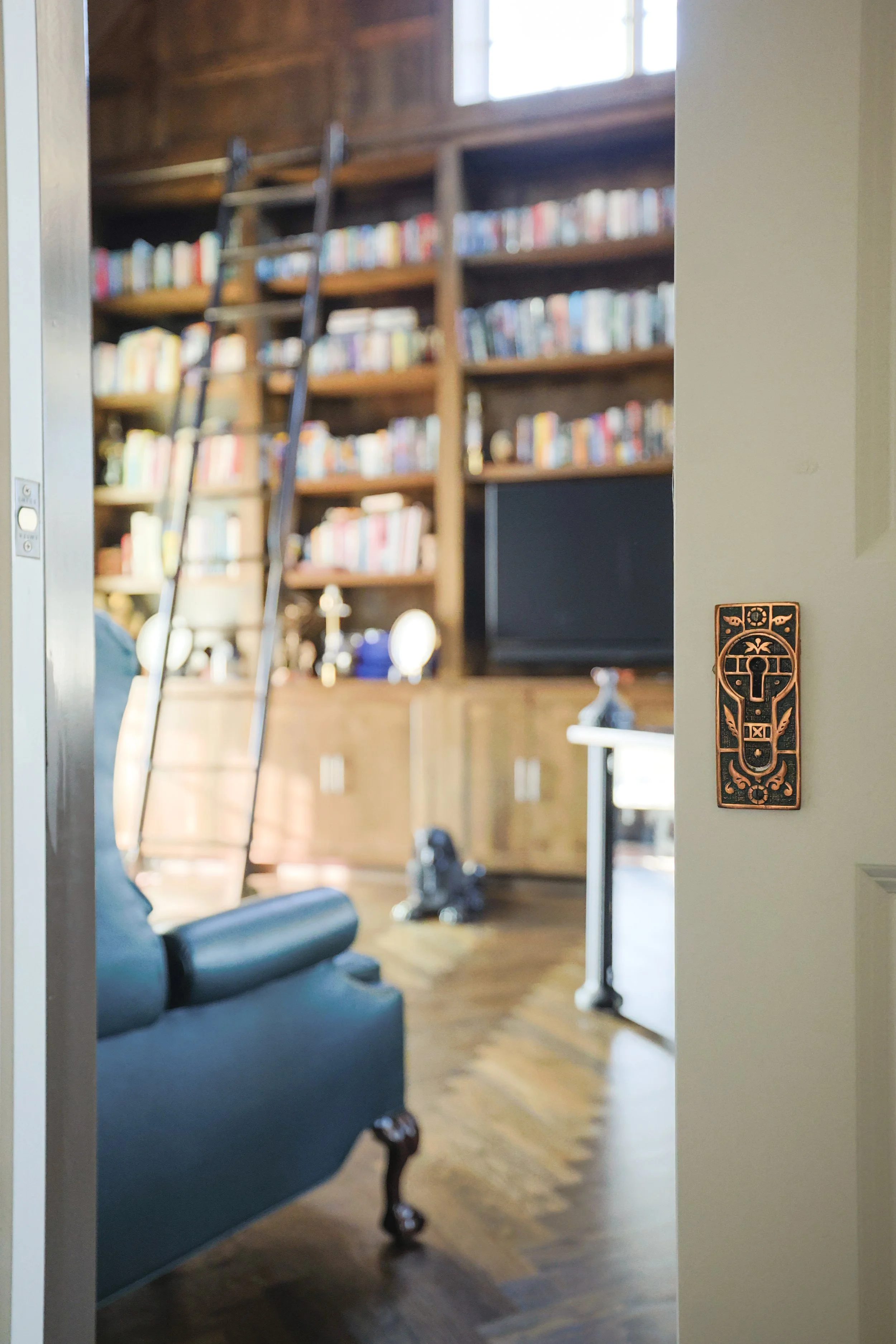
Custom cabinetry and millwork move from conceptual ideas into precise, measurable drawings. This ensures alignment across framing, electrical, and finish installation, particularly in spaces like kitchens and bathrooms.
Mechanical System Integration
HVAC, plumbing, and electrical systems are coordinated to avoid conflicts. This ensures that performance does not compromise layout, aligning with principles explored in lifestyle-driven design.
Subcontractor Engagement and Sub Bids
Subcontractors review finalized plans and provide real pricing based on actual scope, reinforcing transparency within the cost-plus model.
Permit Preparation and Documentation
All documentation is prepared for municipal approval, ensuring compliance with local regulations across Orange County, Wake County, and Durham.
Construction Documents and Specifications
Detailed drawings and specifications define how the home will be built, eliminating ambiguity and supporting accurate execution.
Rather than discovering conflicts during construction, this phase resolves them on paper first. This level of preparation aligns with the clarity established in full project planning, ensuring that complexity is managed proactively.
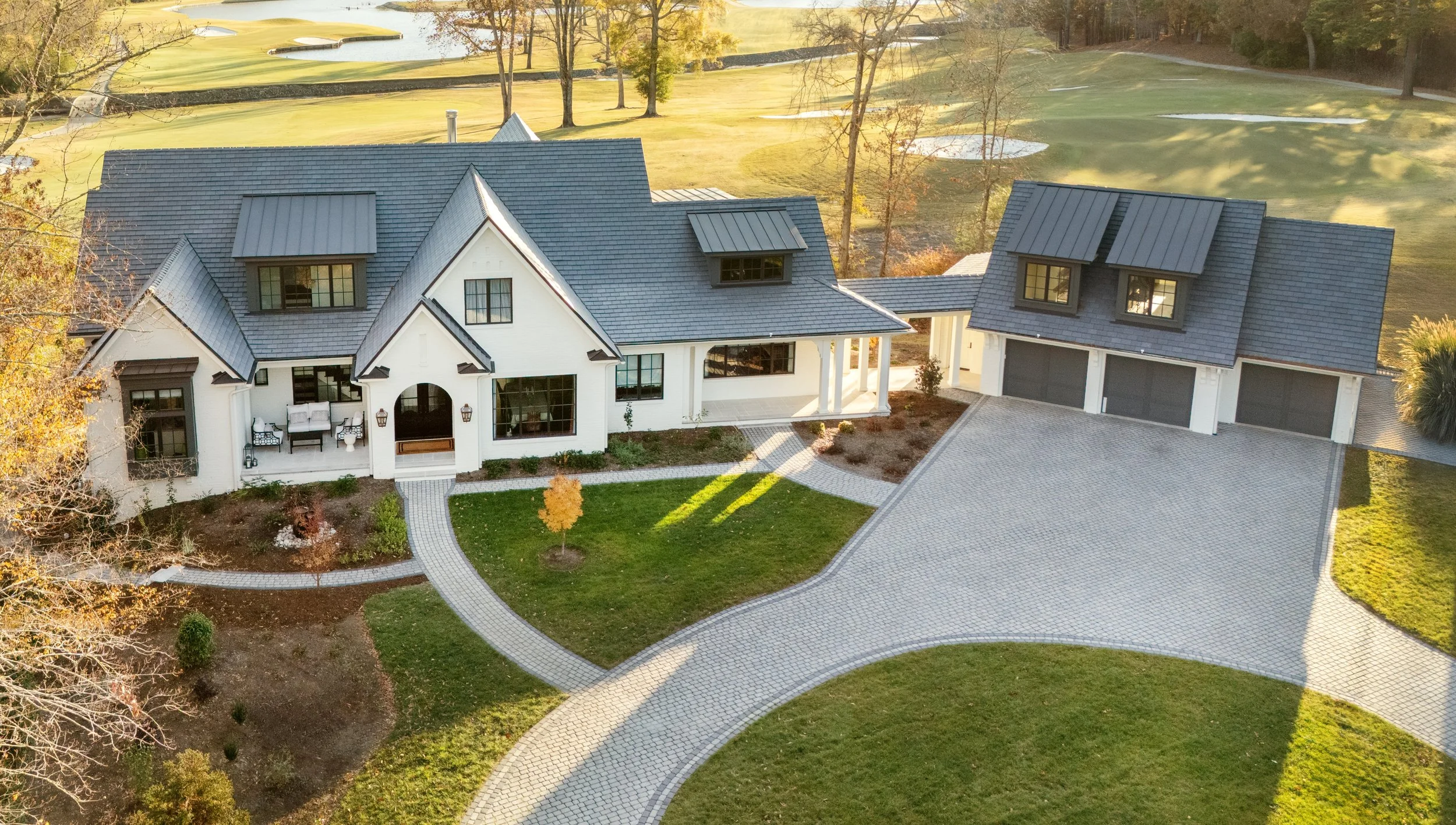
Drone aerial of a luxury custom home estate by Will Johnson Building Company in the Triangle NC with curved driveway, detached garage, expansive landscaping, and high-end residential construction design
Structural Engineering: Translating Design Into Performance
Structural engineering ensures that the home performs as intended over time. Luxury homes often include advanced design elements that require careful coordination, including:
Open-Span Living Areas
Expansive living spaces require carefully engineered beam systems to maintain structural integrity without compromising openness.
Large-Format Glass Systems
Modern homes often incorporate large window walls that require precise load distribution and framing strategies.
Cantilevered Features
Extended structural elements must be supported with engineered solutions that balance design with performance.
Custom Stair and Vertical Elements
Unique stair systems require coordination between structure and finish design.
These decisions build on earlier planning phases and align closely with timeless design principles, ensuring that the home performs as well as it looks.

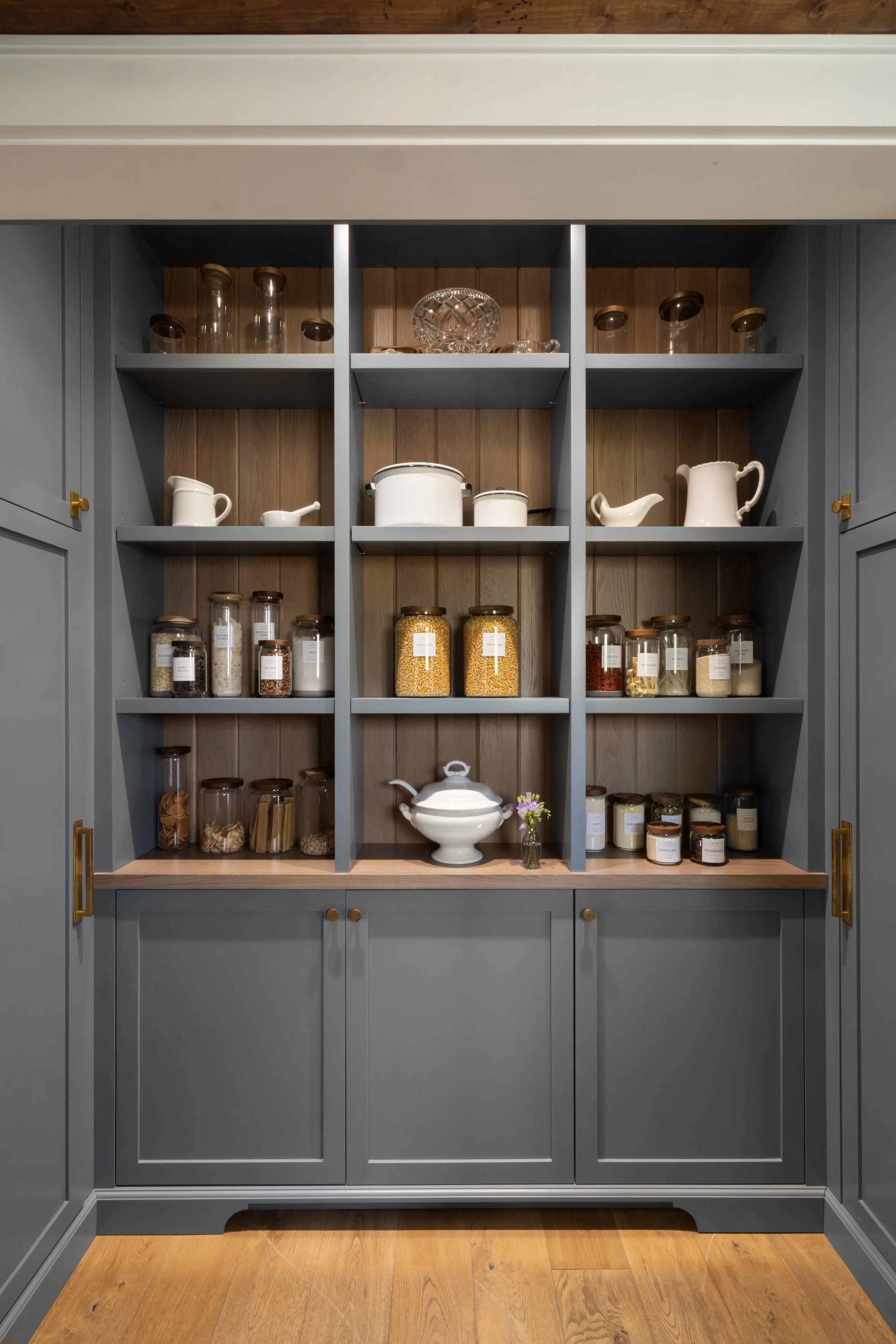
Luxury custom home kitchen by Will Johnson Building Company in the Triangle NC with natural wood cabinets, large island, pendant lighting, and high-end appliances reflecting quality residential design and craftsmanship
Cabinetry and Interior Precision
Interior detailing becomes highly refined during design development. Cabinetry, built-ins, and millwork are fully coordinated, ensuring that every element aligns with surrounding systems.
This precision is especially important in interior design, where layout, lighting, and finishes must work together seamlessly. Early coordination prevents issues that often arise when cabinetry is finalized during construction.
Mechanical, Electrical, and Plumbing Coordination
System coordination ensures that mechanical performance does not disrupt design intent.
HVAC Routing and Zoning
Efficient duct routing and zoning strategies improve comfort and energy performance.
Electrical Planning
Lighting layouts and panel sizing are coordinated to support both function and aesthetics.
Plumbing Integration
Plumbing systems are aligned with layout to avoid conflicts and maintain efficiency.
These systems are critical to long-term performance, particularly in the Triangle climate where humidity and airflow must be carefully managed.
Sub Bids and Cost Transparency
During this phase, subcontractors provide detailed pricing based on finalized plans. This ensures that costs reflect actual scope rather than estimates, reinforcing transparency within the design-build model.
This process aligns with value engineering by ensuring that adjustments are made with real data rather than assumptions, protecting both budget and design integrity.
Permitting and Regional Considerations
Permitting requirements vary across the Triangle, with each municipality imposing its own standards. Detailed documentation ensures compliance and reduces delays, particularly in areas like Raleigh and Durham.
Site-specific factors such as drainage, grading, and soil conditions must be addressed early, aligning with insights from site planning strategy.
Construction Documents: Eliminating Guesswork
Construction documents provide the roadmap for execution. These drawings ensure that every trade understands exactly how the home should be built, eliminating interpretation and reducing risk.
This level of clarity aligns with the standards seen in our project portfolio, where execution reflects detailed planning rather than improvisation.
Building With Precision Before Construction Begins
Design development is where preparation reaches its highest level. Every system, material, and structural element is aligned before construction begins, ensuring that the build process is controlled and predictable.
This phase connects directly to earlier planning stages—feasibility, schematic design, and value engineering—bringing them together into a unified plan that can be executed with confidence.
If you are planning a custom home or large-scale renovation in the Triangle, this level of preparation ensures that your project moves forward with clarity. You can learn more about our approach through our services or connect through our contact page when you are ready to take the next step.