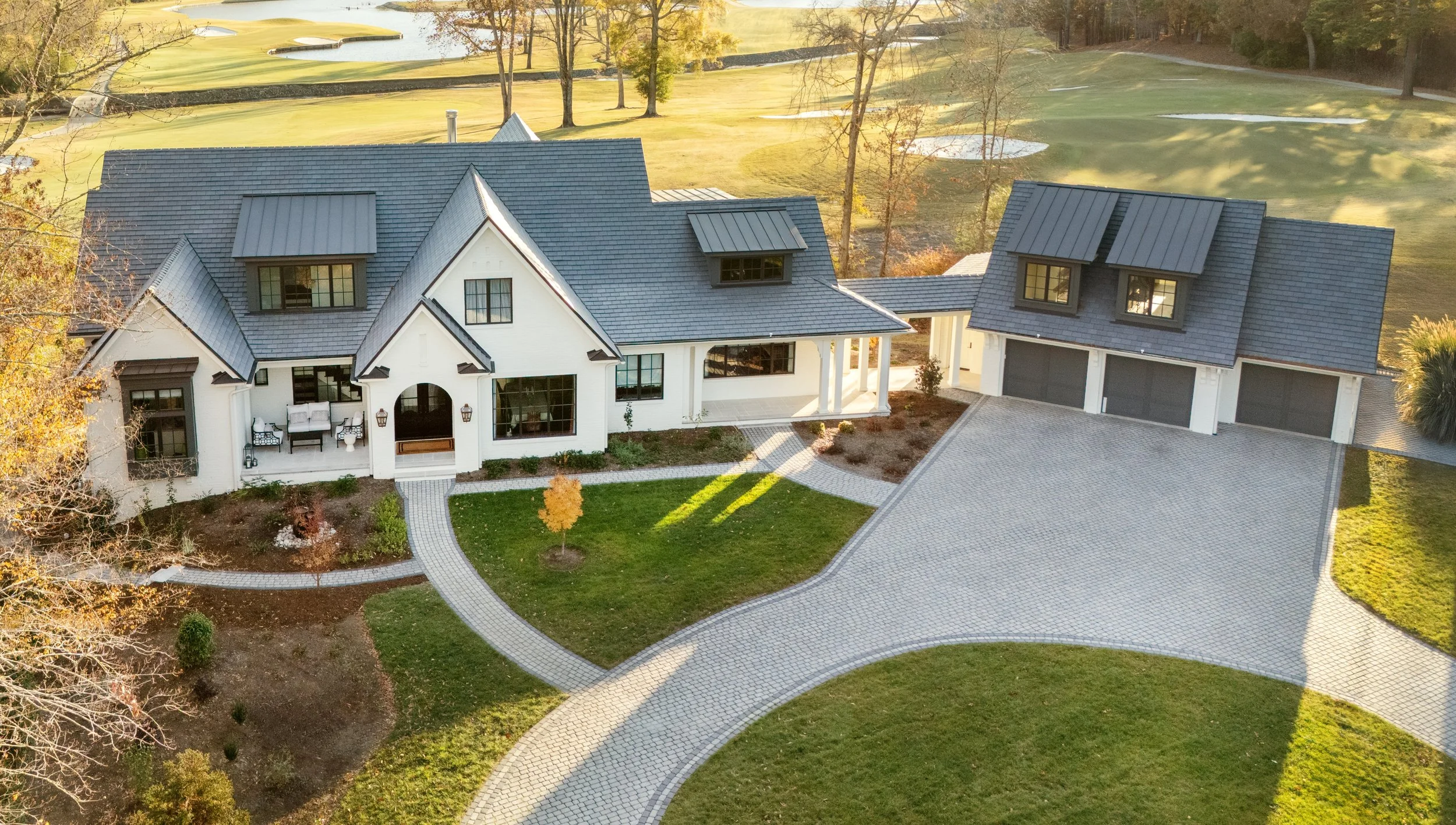
The Art of Site Selection - Finding the Perfect Lot for Your Custom Home in the Triangle
Most people underestimate the importance of site selection when beginning the journey of building a custom home. Choosing the right lot in the Triangle can significantly impact your lifestyle, property value, and even your long-term happiness. In this guide, you’ll learn important strategies and key factors to consider as you explore options for your dream home’s location. From understanding zoning laws to evaluating neighborhood amenities, this post will help you make the best decision for your unique needs and aspirations.
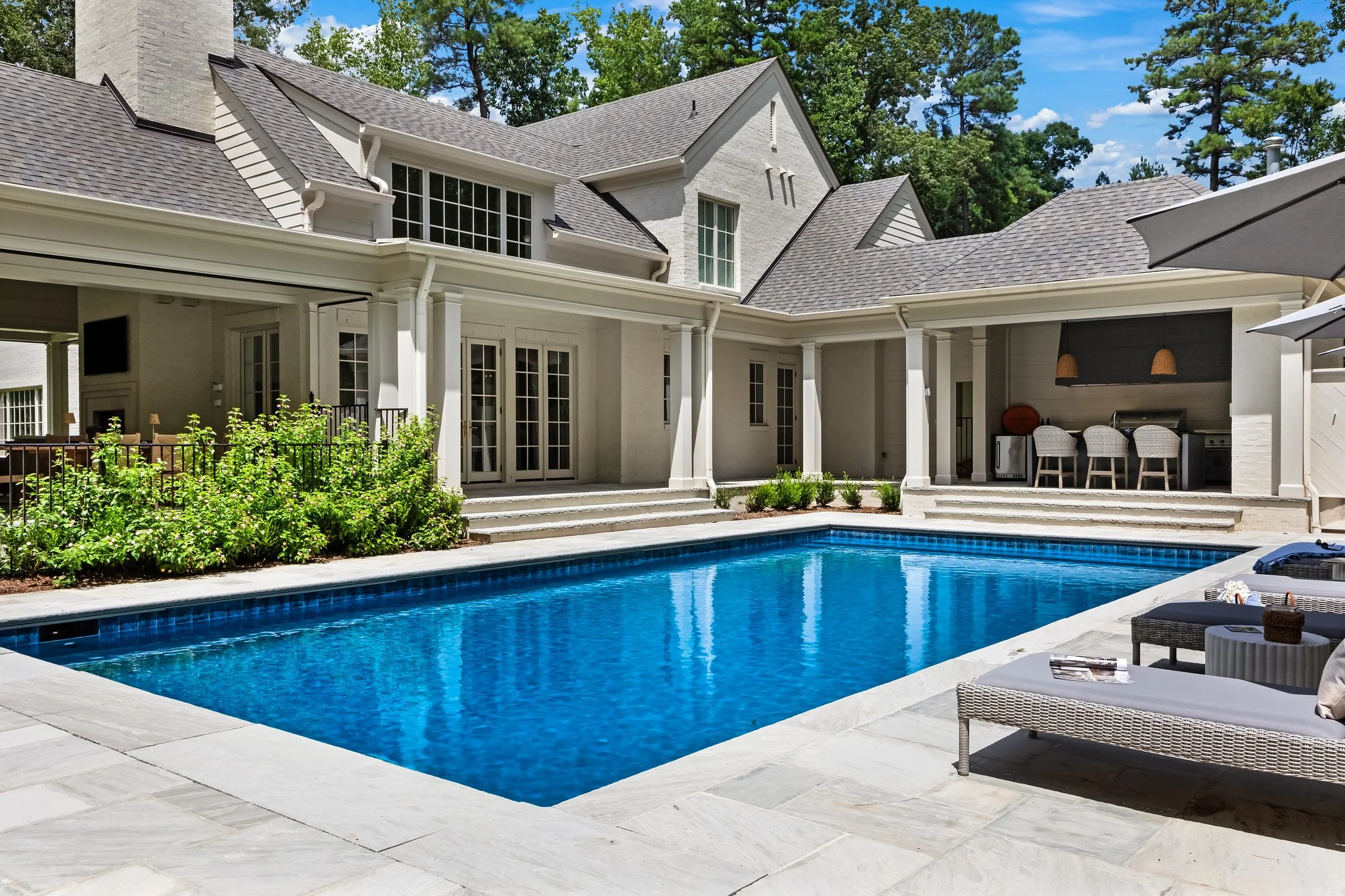
Elegant custom-built North Carolina home featuring a resort-style pool, stone patio, and refined outdoor living areas by Will Johnson Building Company
Site Selection Key Takeaways
Assess local amenities and services that can enhance your lifestyle, including schools, parks, and shopping.
Evaluate the terrain and topography of potential lots to determine suitability for building and drainage considerations.
Consider future growth and development trends in the Triangle to ensure long-term value of your investment.
Research zoning regulations and restrictions that might affect your building plans and neighborhood dynamics.
Engage with real estate professionals familiar with the Triangle to gain insights on the best neighborhoods and lot options.
A sophisticated screened outdoor living space featuring a brick fireplace, modern lounge seating, large retractable windows, and serene wooded views—crafted by Will Johnson Building Company.
Locational Dynamics: What Makes a Lot Ideal?
Proximity to Amenities: Schools, Shopping, and Services
The convenience of living close to amenities impacts daily life and adds value to your property. Quality schools in areas such as Cary or Apex elevate desirability and provide peace of mind for families. Grocery stores, restaurants, parks, and healthcare services nearby mean less commuting and more enjoyment of your home.
Shopping options shape your experience as well. Living near downtown Raleigh brings easy access to retail, dining, and culture, while suburban centers provide convenience and variety. Proximity to these amenities fosters both lifestyle and community connection.
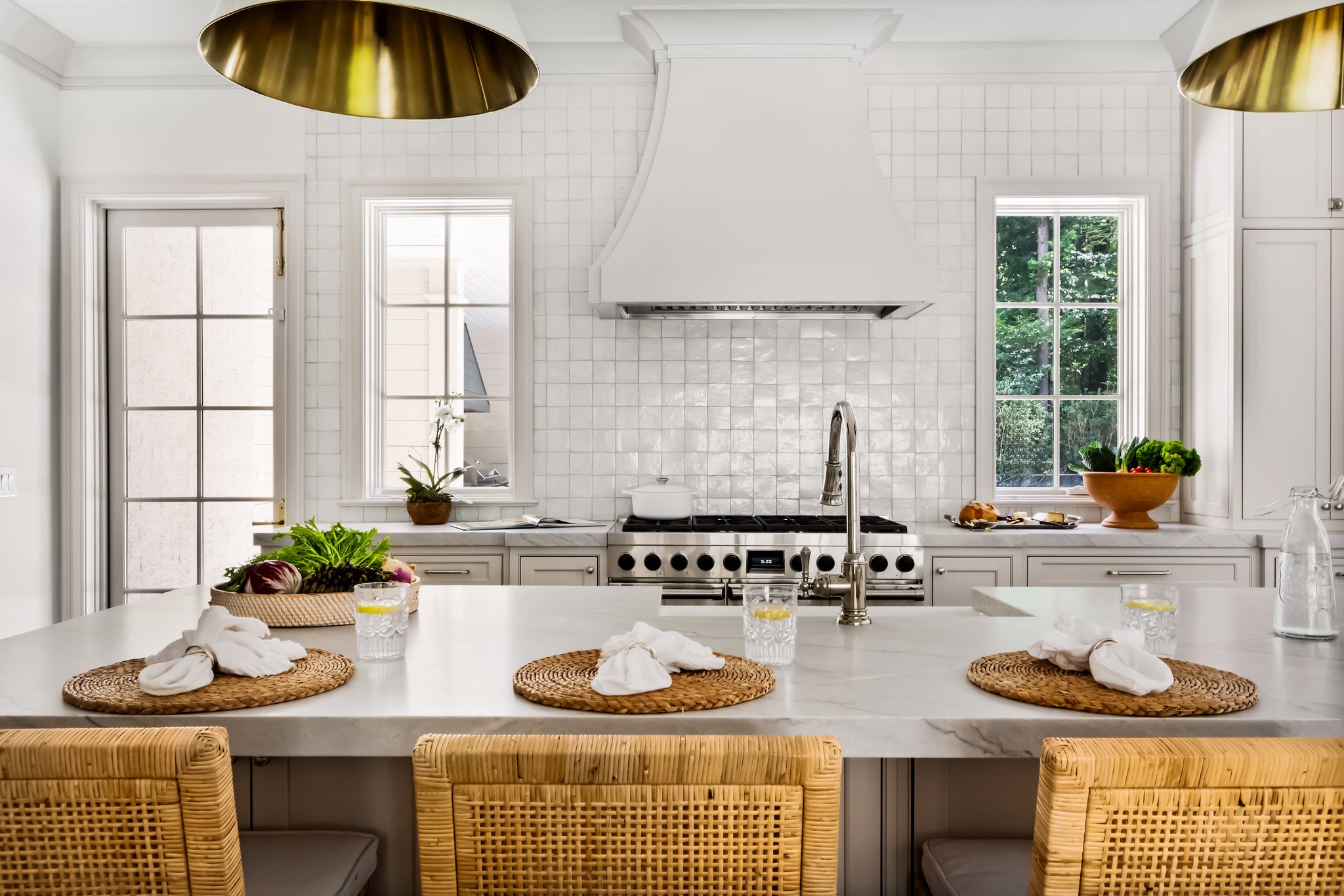
A beautifully designed luxury kitchen featuring a spacious waterfall-edge island, woven barstools, brass pendant lights, white tile backsplash, and premium stainless-steel appliances—crafted by Will Johnson Building Company.
Assessing Commute Times: Balancing Work and Home Life
Commute times greatly influence quality of life. Lots near major routes in Morrisville or Wake Forest cut travel times, freeing more hours for family and leisure. Shorter commutes enhance daily balance, making it easier to blend professional obligations with personal priorities.
The Triangle Real Estate Climate: Trends and Insights

Understanding Market Fluctuations: Timing Your Purchase
The Triangle market shifts quickly. In recent years, price surges have been followed by stabilization, offering opportunities for savvy buyers. Monitoring inventory levels, interest rates, and seasonal patterns ensures you enter the market at the right time. Working with a local expert provides the insights needed to align your timing with your goals.
A serene courtyard framed by white brick home, covered porches, French doors, manicured landscaping, and a rope-hung porch swing—showcasing the refined craftsmanship of Will Johnson Building Company.
Neighborhood Growth Potential: The Next Hot Areas
Environmental Considerations: The Land Beneath You
Areas in Wake County and Apex are seeing explosive growth, while Chapel Hill and Durham benefit from expansions tied to Research Triangle Park. Identifying these rising neighborhoods secures long-term value and a fulfilling living environment.
Evaluating Topography: Slopes, Drainage, and Foundations
Topography impacts both cost and livability. Gentle slopes improve drainage, while steep inclines may require grading or specialized foundations. Orientation also matters; southern-facing lots maximize passive solar efficiency. Features like natural tree cover can provide shade and reduce energy use, supporting sustainable living.
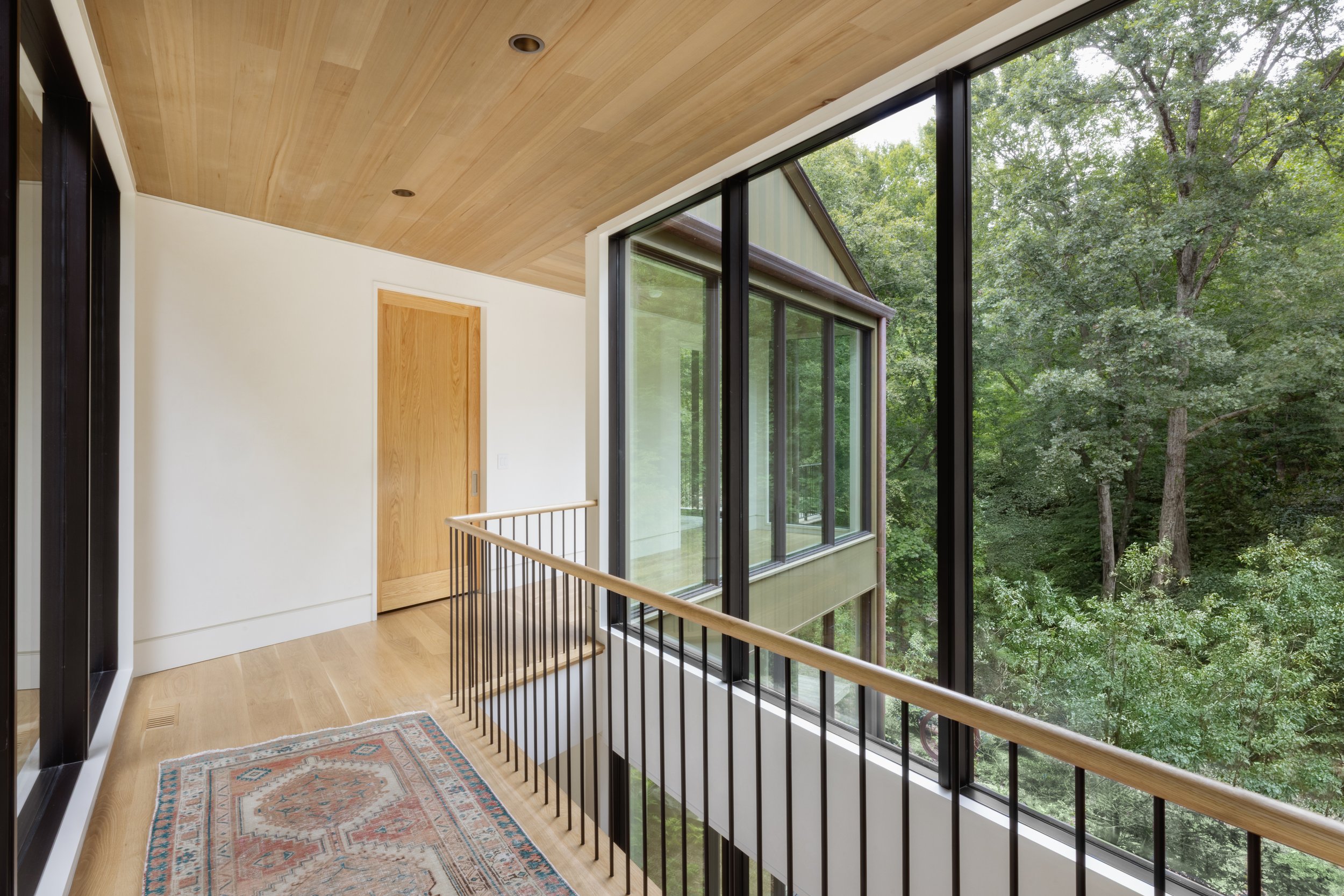
A contemporary hallway featuring floor-to-ceiling glass, a warm wood ceiling, minimalist railing, and serene forest views—designed with the refined craftsmanship associated with Will Johnson Building Company.
Natural Hazards: Flood Zones, Soil Quality, and Wildlife
Floodplains, unstable soils, and proximity to protected habitats can create challenges. Environmental assessments help identify risks such as drainage issues or wildlife activity that may influence your design. Addressing these considerations early safeguards your investment and reduces long-term maintenance concerns.
Regulatory Landscape: Navigating Zoning Laws and Permits
Every community in the Triangle has distinct zoning laws that affect what you can build. Understanding classifications—R1, R2, PD, or CZ—is essential for aligning your vision with regulations.
R1: Single-family homes only; stricter design guidelines.
R2: Multi-family homes and duplexes permitted.
R3: Higher density allowed, potentially altering aesthetics.
PD (Planned Development): Flexibility with mixed-use potential.
CZ (Conditional Zoning): Site-specific approvals with unique conditions.
Compliance with local building codes is equally important. These govern safety, setbacks, and materials to ensure long-term performance. Partnering with a Triangle builder who knows the codes minimizes risks and streamlines approval.

The Financial Picture: Budgeting for the Perfect Lot
Hidden Costs in Land Acquisition: What to Watch For
Beyond purchase price, factor in survey fees, utility connections, title insurance, taxes, and potential liens. Some lots with low upfront costs can become expensive once hidden expenses are considered. Doing thorough due diligence protects your budget.
Financing Options: Loans, Credit, and Investment Strategies
Financing may involve traditional mortgages, land loans, or leveraging home equity. Local credit unions often offer favorable terms. For creative strategies, families sometimes pool resources to purchase land together, spreading risk and investment.
Final Thoughts on Your Custom Home Journey
Your custom home design journey blends artistry with practicality. Choosing sustainable materials, integrating smart home systems, and engaging local craftsmen ensures long-term value.
Embracing Your Vision
Adaptability is key. Having contingency plans for financing or timelines helps navigate market fluctuations or unexpected delays. Celebrate each milestone as you move closer to creating a Triangle legacy home.
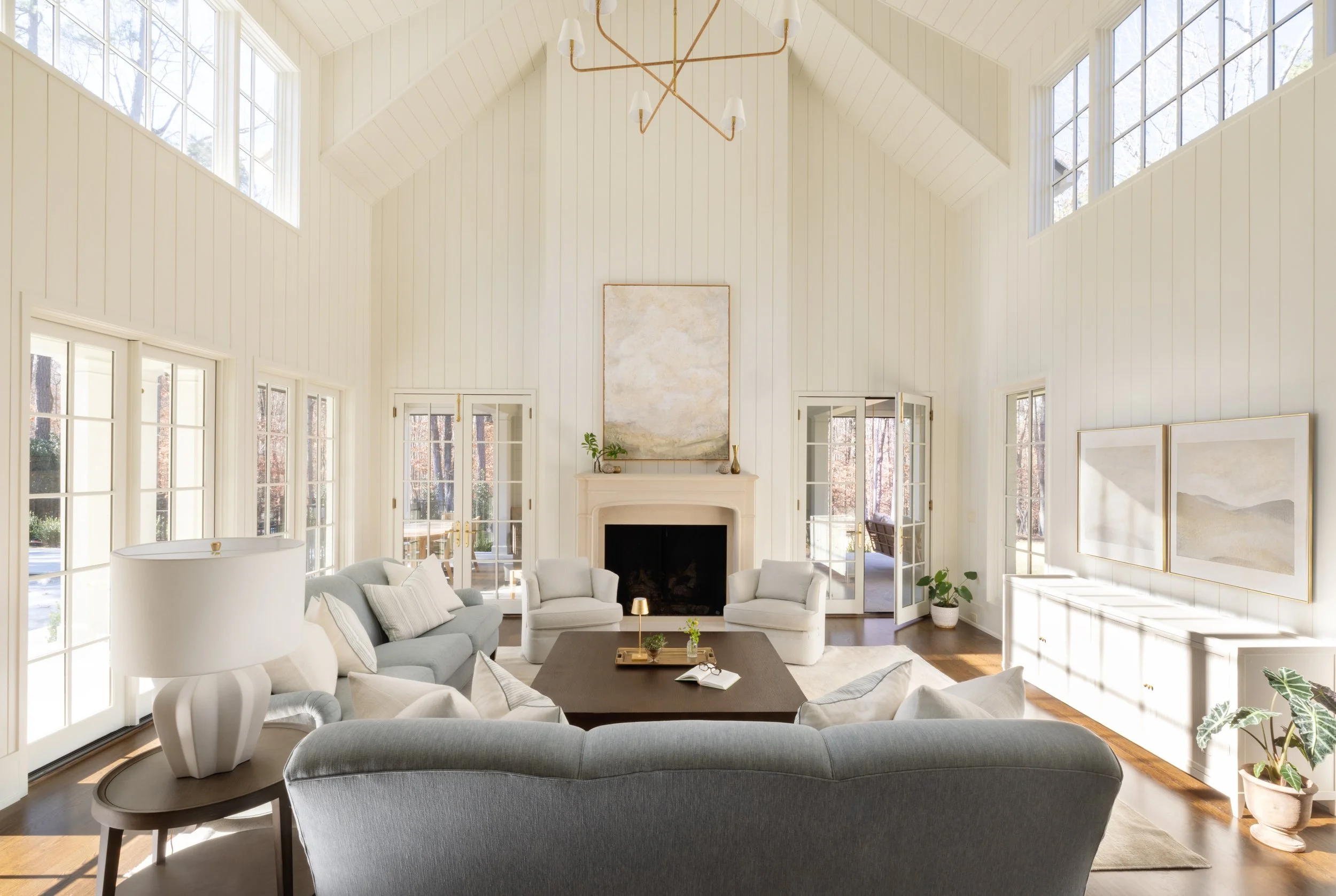
A warm and refined sitting room featuring a minimalist fireplace, plush armchairs, built-in cabinetry, soft neutral tones, and natural light leading into an adjacent space—showcasing elevated interior design and craftsmanship.
FAQ
Q: What factors should I consider when selecting a lot in the Triangle?
A: Location, size, topography, school districts, commute times, and future development.
Q: How does zoning impact site selection?
A: Zoning dictates allowable home types, size, and design. Always review local ordinances before purchasing.
Q: Are there environmental considerations?
A: Yes. Flood zones, soil stability, and protected habitats may require assessments and special permits.
Q: How important is the surrounding community?
A: Very. Neighborhood culture, safety, and amenities shape your overall living experience.
Q: What role does topography play in construction?
A: It influences costs, drainage, and foundation requirements. A thorough assessment is essential.
Q: How can I evaluate utility accessibility?
A: Confirm availability of water, electricity, and sewage with local providers before buying.
Q: What are common mistakes in lot selection?
A: Overlooking future growth, ignoring environmental issues, and failing to research community dynamics.