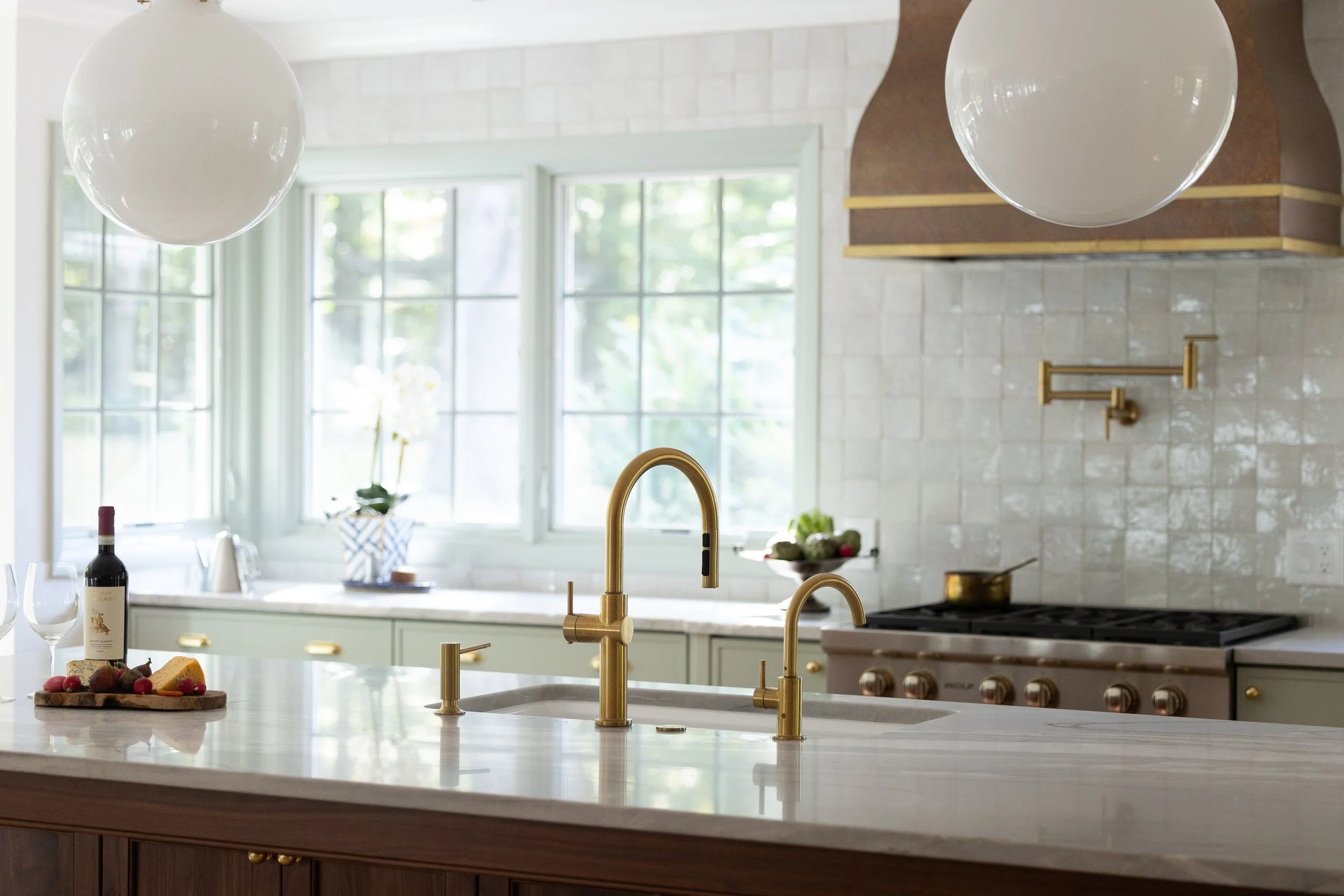
Luxury custom home kitchen by Will Johnson Building Company in the Triangle NC with oversized island, brass faucet and fixtures, custom range hood, tile backsplash, and high-end residential interior design details
Value Engineering in Luxury Custom Homes: Aligning Design, Performance, and Long-Term Investment
Luxury custom homebuilding is often misunderstood. The assumption is that higher budgets eliminate financial discipline, allowing projects to expand freely without constraint. In reality, the opposite is true. The larger the investment, the more critical strategic alignment becomes, particularly in markets like Raleigh, Durham, and Cary, where expectations for both design and performance are elevated.
Value engineering is one of the most powerful and most misunderstood tools in high-end residential construction. It is not cost-cutting, and it is not compromise. Instead, it is the disciplined process of aligning scope, structure, materials, and performance with long-term priorities, ensuring that every decision contributes meaningfully to the home’s success.
At Will Johnson Building Company, value alignment happens proactively during pre-construction, guided by a structured design-build process. This phase connects directly to early planning through custom home design and planning, ensuring that decisions are made while flexibility still exists and before they become costly commitments.
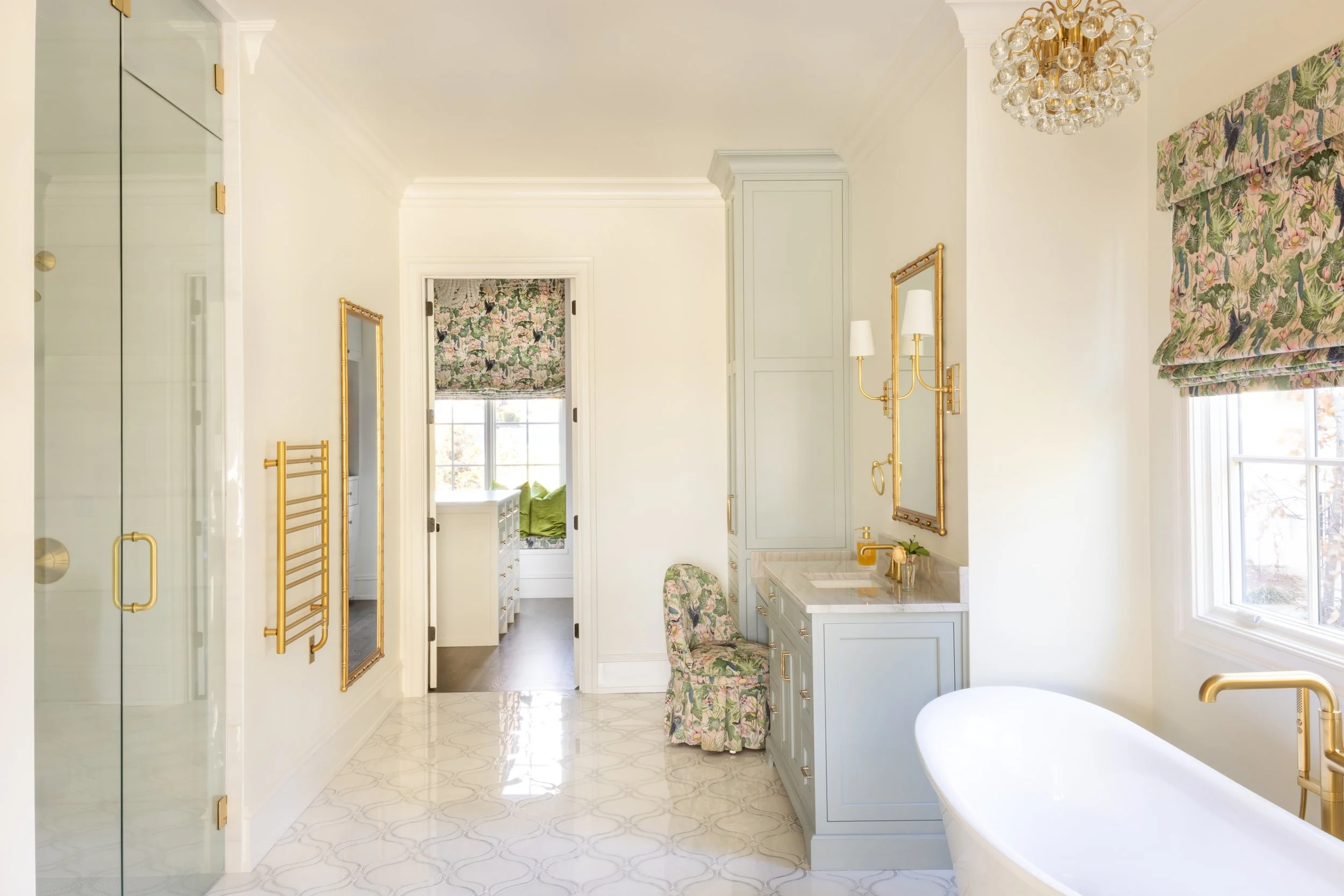
Luxury custom home bathroom by Will Johnson Building Company in the Triangle NC with freestanding soaking tub, walk-in glass shower, brass fixtures, and upscale residential design with natural light and refined finishes
What Value Engineering Actually Means in a Luxury Custom Home
Value engineering ensures that every dollar invested contributes to performance, durability, and long-term usability. It is not about removing features, but about refining them so that they deliver meaningful value. This approach builds directly on early planning stages such as site selection and feasibility, where constraints and opportunities are first identified.
At its core, value engineering asks critical questions that guide decision-making throughout the project:
Evaluating Structural Complexity
Does added structural complexity improve the experience of the home, or does it introduce cost without meaningful benefit? Features such as complex rooflines or extended framing elements must be evaluated carefully to ensure they support both design intent and long-term performance.
Balancing Aesthetics and Efficiency
Is there a more efficient way to achieve the same visual outcome? High-end design often allows for multiple paths to the same result, and selecting the most efficient option can preserve both budget and structural simplicity.
Prioritizing Long-Term Durability
Are materials and systems selected for longevity, or short-term visual appeal? Homes that align with timeless design principles tend to perform better over time, both functionally and aesthetically.
Defining Purposeful Space
Is square footage adding meaningful function, or simply increasing cost? This question becomes especially important when aligning layout decisions with concepts explored in lifestyle-driven design.
In luxury homes, the goal is not reduction. The goal is refinement. When done correctly, value engineering strengthens the project while preserving its original vision.
The Right Time for Value Alignment
The most effective value engineering happens early, during schematic planning and design development. These phases align directly with the process outlined in concept-to-completion planning, where early decisions shape the entire build.
When adjustments occur before documentation is finalized, they can be evaluated with clarity and precision:
Structural Implications
Changes to layout or design direction can be evaluated against framing requirements and foundation impact, ensuring that structural decisions remain efficient.
Labor and Construction Impact
Design complexity directly influences labor coordination, affecting both timeline and execution quality.
Material and Cost Alignment
Material selections can be adjusted strategically without sacrificing overall design direction.
Schedule Considerations
Early decisions prevent delays that often occur when changes are introduced during active construction.
Late-stage revisions often lead to reactive compromises. Early refinement ensures cohesion and aligns closely with cost-plus construction, where decisions are grounded in real data.
Structural Simplification Without Sacrificing Presence
Structural complexity is one of the largest drivers of cost in luxury homes. Features that appear subtle on paper can introduce significant framing and coordination requirements once construction begins.
Common areas of unnecessary complexity include:
Roofline Over-Engineering
Excessive roof intersections and angles often increase cost without improving the home’s overall presence.
Cantilevered Elements
Extended structural features can require additional support systems that impact both cost and engineering complexity.
Foundation Transitions
Multiple elevation changes in the foundation can introduce inefficiencies that are avoidable with better planning.
Framing Variations
Redundant framing conditions can increase labor without contributing to function or aesthetics.
Refining structure does not reduce visual impact. It eliminates inefficiencies while preserving design intent, aligning closely with the execution seen across our exterior work.

Luxury custom home exterior by Will Johnson Building Company in the Triangle NC with stucco facade, arched design details, dark rooflines, and expansive lawn reflecting high-end residential construction and estate-level design
Smart Square Footage Decisions
Additional square footage is one of the most common drivers of cost in custom homes. It often feels like a safe way to improve the home, but without clear purpose, it can introduce unnecessary expense.
Every additional square foot carries cost across multiple systems:
Foundation and Structure
Expanding the footprint increases excavation, foundation materials, and structural requirements.
Mechanical Systems
Larger homes require increased HVAC capacity and distribution complexity.
Roofing and Exterior Materials
More square footage leads to expanded roofing systems and exterior finishes.
Interior Finishes
Flooring, trim, and cabinetry all scale with square footage.
Value engineering evaluates whether space serves a defined purpose. In many cases, refined layouts improve usability without increasing size, aligning with long-term planning strategies.
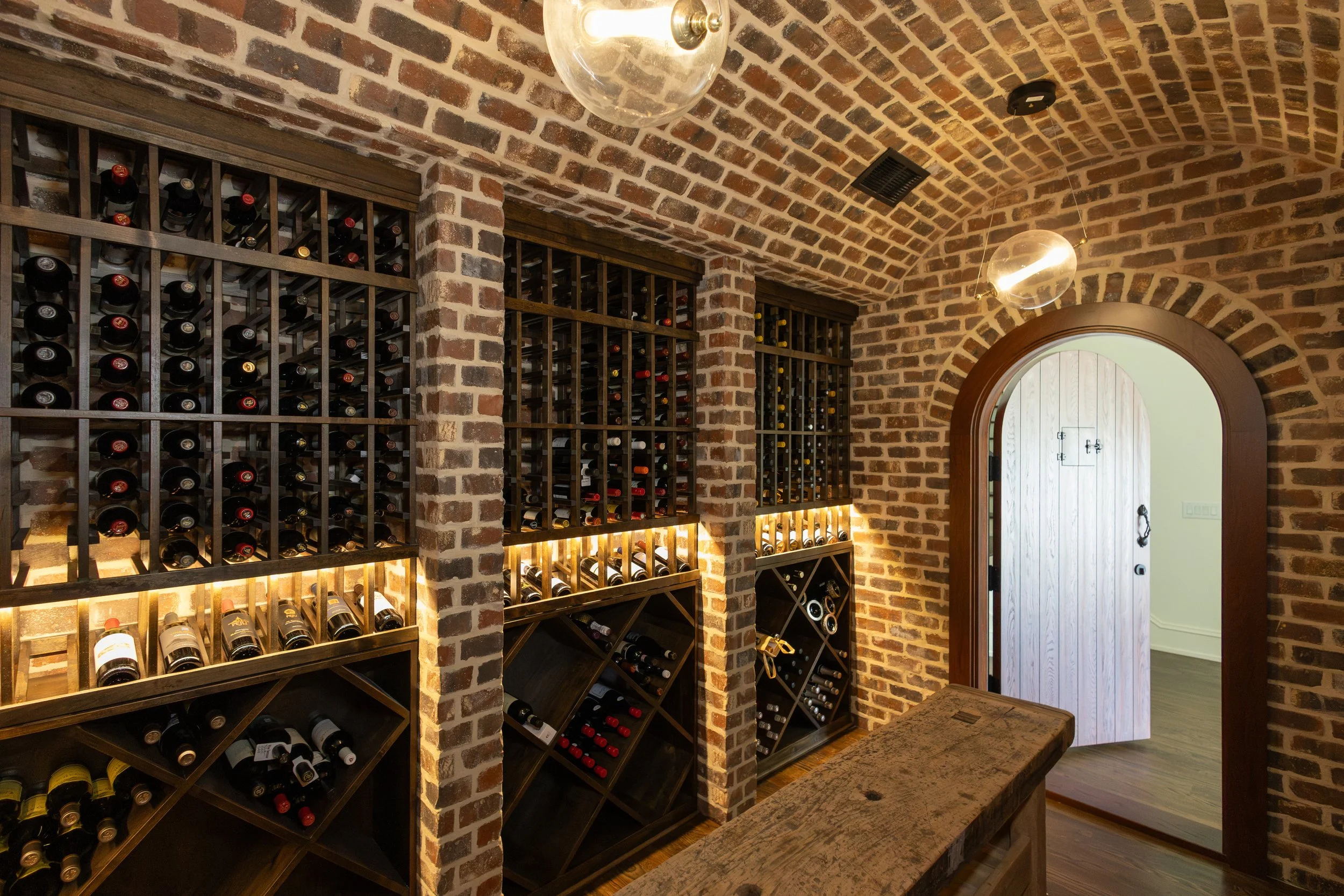
Luxury custom home wine cellar by Will Johnson Building Company in the Triangle NC with exposed brick walls, custom wine racks, built-in storage, and arched entry reflecting high-end residential design and craftsmanship
Material Substitutions That Preserve Integrity
Material selection plays a major role in both budget and performance. Strategic substitutions allow projects to maintain design integrity while improving efficiency.
Exterior Materials
Adjustments to stone, siding, or cladding can maintain visual direction while improving installation efficiency and cost alignment.
Interior Finishes
Hardwood alternatives and finish adjustments can preserve durability without unnecessary expense, often reflected in interior work.
Kitchen and Functional Spaces
Material decisions in kitchen design and bathrooms must balance durability with aesthetic goals.
The goal is not to downgrade quality. It is to ensure that materials align with both performance expectations and overall investment strategy.
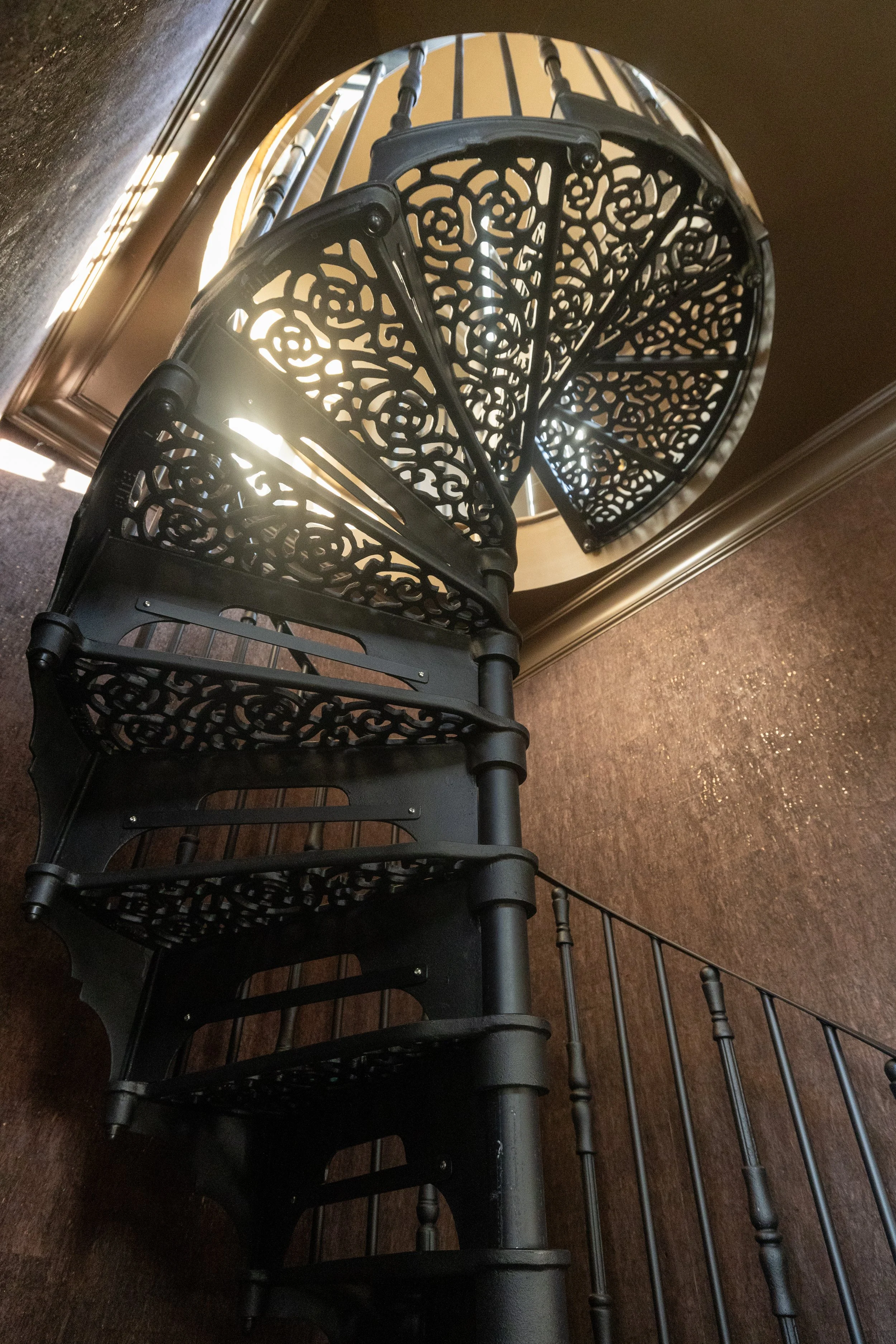
Mechanical System Optimization
Mechanical systems represent a significant portion of investment in luxury homes. Optimizing these systems ensures performance without unnecessary complexity.
Zoning and Airflow
Efficient zoning improves comfort while reducing energy waste.
Equipment Placement
Strategic placement of mechanical systems improves efficiency and serviceability.
Duct Routing
Optimized routing reduces inefficiencies and supports overall system performance.
Energy Performance
Upgrades can improve long-term operating costs without affecting design.
These decisions are especially important in the Triangle climate, where humidity and airflow must be carefully managed.
Cost-Plus Transparency and Decision-Making
The cost-plus model enhances value engineering by providing real-time clarity throughout the build process. Rather than relying on assumptions, homeowners gain access to actual data.
Subcontractor pricing
Material costs
Labor breakdowns
This transparency supports informed decision-making and aligns closely with the benefits outlined in design-build advantages.
Preventing Emotional Overcommitment
Luxury custom homes are personal, and emotional decision-making is inevitable. Value engineering provides a framework to evaluate decisions objectively.
Does this align with long-term lifestyle goals?
Will it improve long-term value?
Does it enhance daily experience?
This clarity aligns with long-term planning strategies such as legacy home design, where decisions are made with future use in mind.

Luxury custom home dining area by Will Johnson Building Company in the Triangle NC with exposed ceiling beams, wood dining table, fireplace, and open layout reflecting high-end residential interior design and craftsmanship
Triangle Market Considerations
Local conditions across Raleigh, Durham, and Chapel Hill influence value engineering decisions. Soil conditions, drainage requirements, and local regulations all impact how homes are designed and built.
Understanding these factors early aligns closely with site planning and ensures that decisions are grounded in reality.
Protecting Long-Term Investment
Luxury homes are long-term assets. Value engineering ensures that investment is directed toward performance, durability, and usability rather than unnecessary complexity.
Structural integrity
Moisture control
Energy efficiency
Timeless materials
Functional layouts
These priorities align with long-term performance and ensure that the home maintains value over time.
Building With Confidence Before Construction Begins
When value engineering is handled during pre-construction, the entire build process becomes more predictable. Decisions are aligned early, reducing surprises and ensuring that the project moves forward with clarity.
The home that begins construction is already refined, with design, budget, and execution working together. That level of preparation is what separates standard projects from those that perform at a higher level.
To begin aligning your project with a clear strategy, connect through our contact page and start planning with confidence.