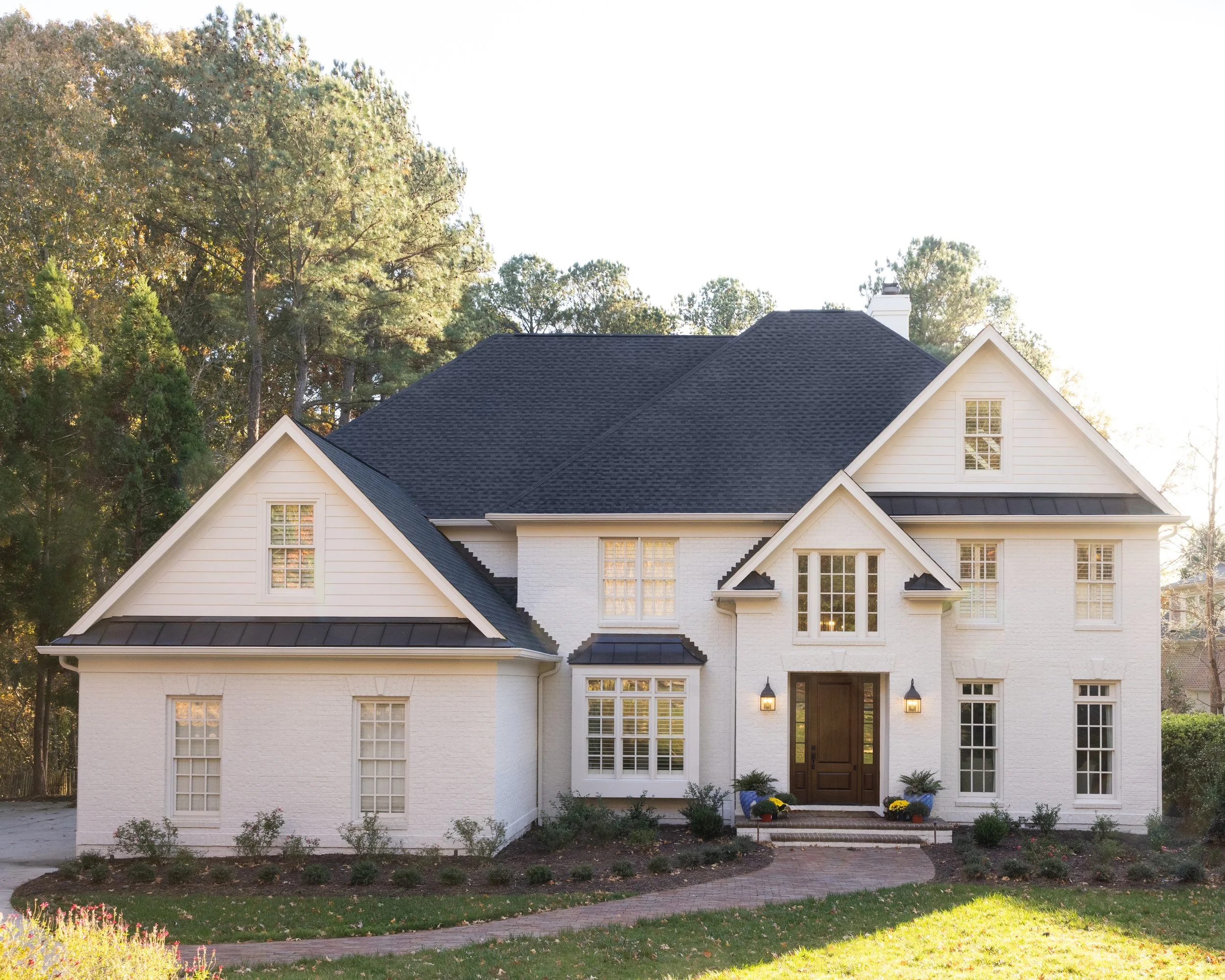
Luxury custom home exterior by Will Johnson Building Company in the Triangle NC with gabled rooflines, light siding, black-framed windows, and detailed landscaping reflecting high-end residential construction and timeless design
Schematic Design for High-End Custom Homes: Translating Vision Into Buildable Form
Once feasibility and site study confirm what is possible, the project advances into one of the most transformative stages of the custom home process: schematic planning. This phase is where ideas begin to move beyond discussion and into structure, where priorities are translated into space, and where early direction begins to shape the experience of the home itself. For high-end custom homes throughout the Triangle, this stage carries more weight than most homeowners initially expect, because the decisions made here establish the foundation for everything that follows.
For $2M+ custom homes in Raleigh, Durham, Chapel Hill, Cary, and surrounding areas like Pittsboro, schematic design determines whether a home feels intentional or disjointed. It defines how the home will live on the site, how rooms relate to one another, and how daily routines will unfold within the space.
At Will Johnson Building Company, schematic planning is approached as a disciplined progression within our design-build process, ensuring that vision is not only captured, but organized in a way that can be executed with clarity and builds directly on insights from site selection strategy and early feasibility, ensuring that the home reflects both the property and the long-term goals of the homeowner.

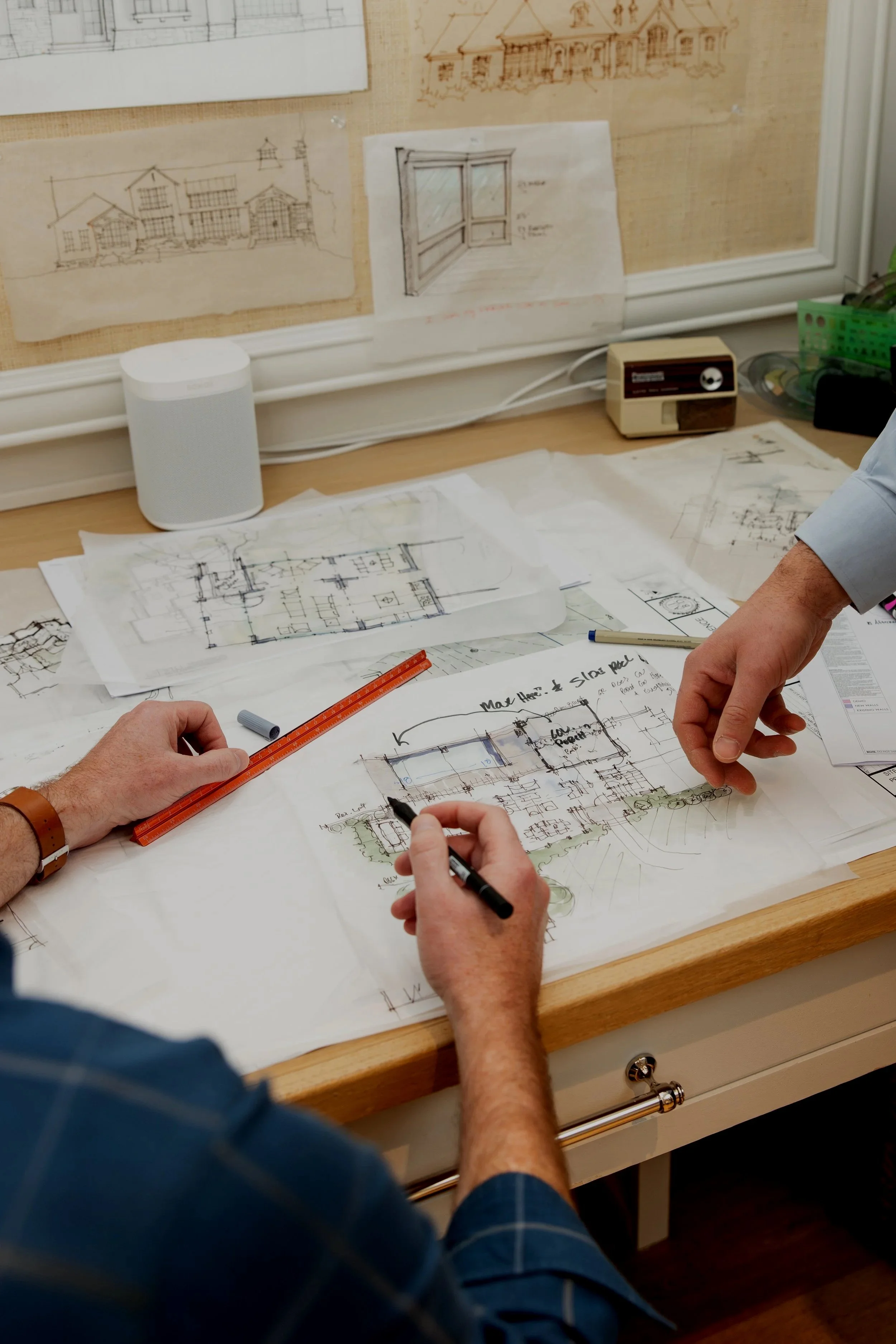
Detailed custom home floor plan and schematic by Will Johnson Building Company in the Triangle NC featuring estate layout, backyard pool, structured landscaping, and high-end residential design planning for luxury home construction
How Schematic Design Builds on Feasibility and Site Study
Schematic design is only as strong as the groundwork that precedes it. The clarity established during feasibility and site study directly informs every decision made during this phase, from how the home is positioned on the lot to how interior spaces are organized. Without that early understanding of topography, setbacks, drainage, and infrastructure, schematic design becomes reactive rather than strategic.
When feasibility has been handled thoroughly, schematic planning becomes a process of refinement rather than correction. Designers are able to work with confidence, knowing that the land, the constraints, and the opportunities have already been evaluated. This allows the focus to shift toward shaping a home that feels cohesive and intentional, rather than one that is constantly adjusting to newly discovered limitations.
This connection between feasibility and schematic planning is what allows high-end homes to avoid costly redesign later. It also creates a clear transition into full project development, where each phase builds on the last rather than working against it.
What Schematic Planning Means in a Luxury Custom Home
Schematic planning serves as the bridge between early feasibility work and detailed design development. It takes programming, site data, and conceptual ideas and translates them into preliminary drawings that define layout, form, and spatial relationships. At this stage, the home begins to exist in a way that can be evaluated, tested, and refined before deeper technical commitments are made.
This phase typically includes floor plans, elevations, roof direction, and initial structural considerations, but its true purpose goes beyond drawings. It is where alignment happens. The home must begin to reflect both the lifestyle of the homeowner and the realities of the property, ensuring that the project moves forward with clarity instead of assumption.
These decisions are directly influenced by early planning through custom home design and planning, where priorities are first established. Without that alignment, schematic design can easily drift into overcomplication or misaligned scope.

Luxury custom home interior by Will Johnson Building Company in the Triangle NC showcasing a loft living area with arched ceiling detail, soft natural lighting, modern furnishings, and refined residential craftsmanship
Luxury Home Floor Plan Development: Designing Around How You Live
Floor plan development is one of the most anticipated aspects of schematic design, yet it requires a level of discipline that goes far beyond arranging rooms. In high-end homes, layout decisions influence not only how spaces connect, but how the home feels on a daily basis. Circulation, privacy, and natural light all depend on how these early decisions are made.
Spatial Relationships That Define Daily Living
Strong floor plans are built on adjacency, not just square footage. Kitchens connect to service areas, primary suites are positioned for privacy, and gathering spaces align naturally with outdoor living areas. These relationships shape how the home functions in real life, influencing everything from morning routines to large-scale entertaining.
For homeowners who prioritize entertaining, open layouts that connect indoor and outdoor spaces become essential, often tying into exterior environments like those seen in outdoor living design. For multi-generational households, separation between living areas becomes equally important, aligning with principles explored in multi-generational home design.
These planning decisions often extend into specialized spaces such as custom kitchens, luxury bathrooms, and refined interior environments, where layout directly influences usability and experience.
Vertical Integration Across Multiple Levels
Luxury custom homes often span multiple levels, making vertical coordination a critical part of schematic planning. Stair placement, ceiling heights, and transitions between floors must feel balanced and intuitive. Decisions made here influence structural complexity, mechanical routing, and overall spatial flow.
When handled well, vertical integration creates a sense of continuity throughout the home. When handled poorly, it introduces inefficiencies that are difficult to correct in later phases, particularly during design development.
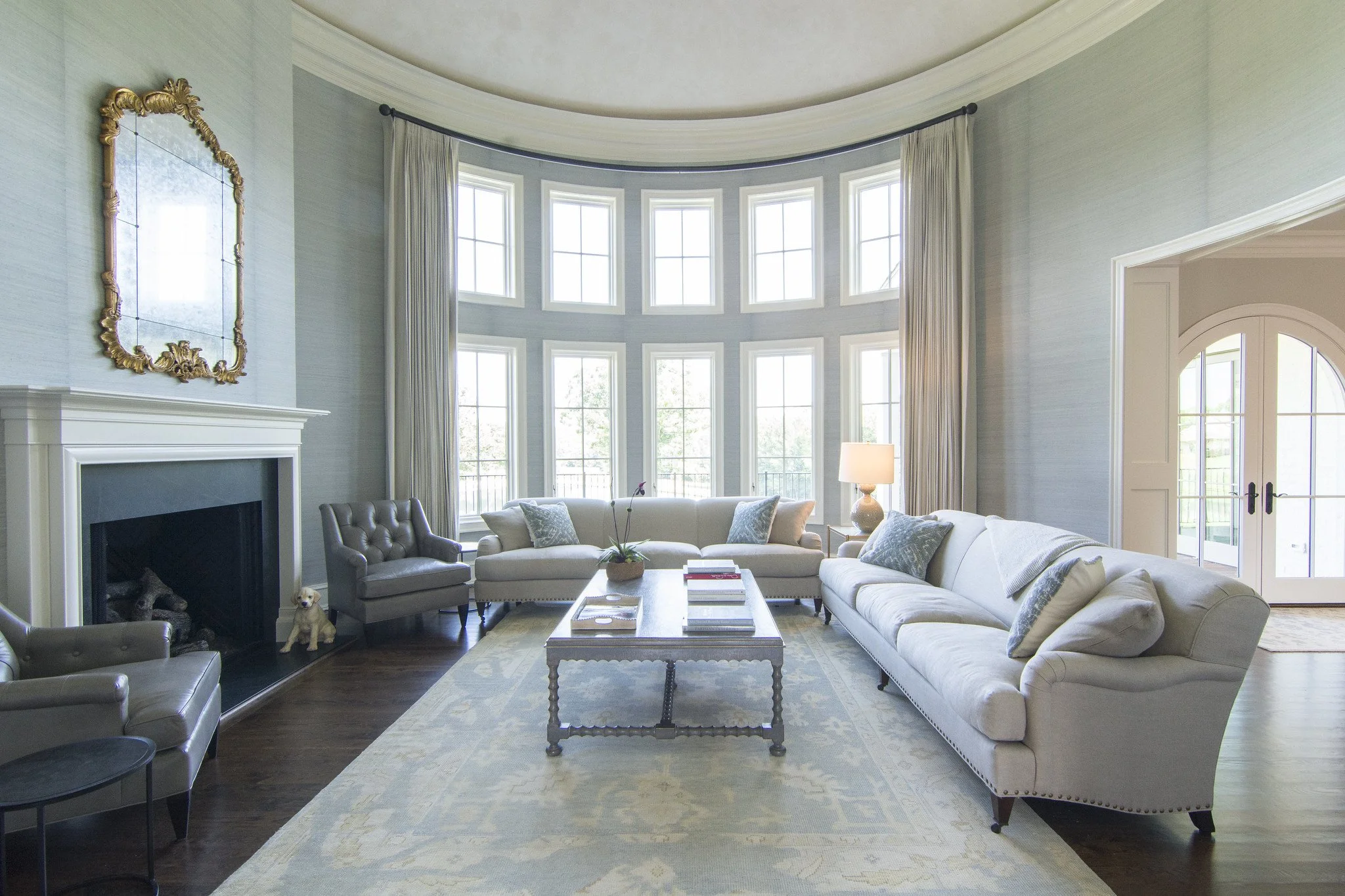
Luxury custom home living room by Will Johnson Building Company in the Triangle NC with floor-to-ceiling windows, curved architectural detail, fireplace, and open layout showcasing high-end residential interior design and craftsmanship
Early Design Decisions That Carry Through the Entire Build
Schematic planning is where many of the most important decisions in the entire project are made, even if they are not yet fully detailed. Room placement, circulation flow, and overall layout establish a framework that will influence structural systems, mechanical coordination, and finish selections later in the process. These decisions are not easily reversed once the project advances.
A well-organized schematic plan reduces complexity across every subsequent phase. It allows structural systems to align cleanly, mechanical systems to be integrated efficiently, and finishes to be applied without compromise. When this phase lacks clarity, those same systems begin to compete with one another, creating friction that carries through construction.
This stage also begins shaping broader concepts such as family compound layouts and long-term living design, where flexibility and adaptability are built into the structure of the home.
Exterior Elevations: Establishing Character and Presence
Exterior elevations define how the home presents itself both on the site and within the surrounding environment. Window placement, rooflines, material transitions, and overall proportions all begin to take shape during schematic design. These decisions must balance visual impact with structural practicality.
The goal is not to finalize every detail, but to establish a direction that feels grounded and intentional. Homes that achieve this balance often align with the principles outlined in timeless home design, where proportion and restraint create lasting appeal.
These elevations also connect directly to execution seen in our project portfolio, where exterior form and interior function work together as a cohesive system.
Roof Planning and Structural Direction
Roof design is one of the most overlooked elements of schematic planning, yet it has a significant impact on both cost and long-term performance. Complex rooflines may appear visually appealing, but they often introduce additional framing requirements, drainage challenges, and long-term maintenance concerns.
Simplifying roof geometry while maintaining visual strength is one of the most effective ways to align design with performance. These decisions influence not only construction cost, but how the home ages over time, particularly in climates like the Triangle where drainage and durability matter significantly.
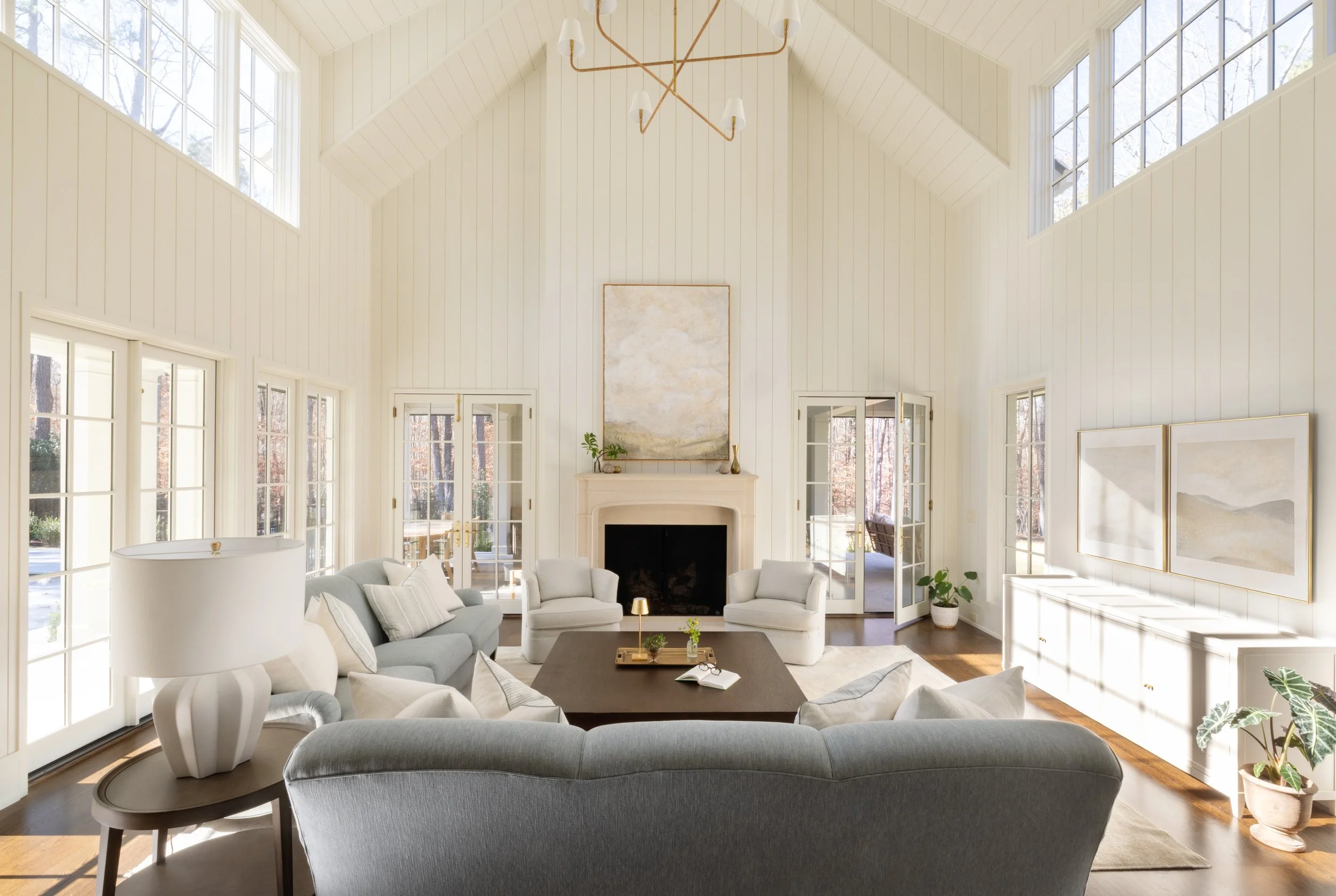
Luxury custom home great room by Will Johnson Building Company in the Triangle NC with vaulted ceilings, expansive windows, central fireplace, and open-concept layout highlighting high-end residential interior design and natural light
Common Mistakes During Schematic Planning
Schematic design is where many projects either gain clarity or begin to drift. Without discipline, it is easy to introduce complexity that does not improve the home, but instead creates long-term challenges that surface later in the process.
Overcomplicating layouts without improving functionality
Expanding square footage without defined purpose
Designing spaces without considering daily use
Addressing these challenges early prevents costly revisions during later phases and aligns the project with long-term success.
Budget Alignment During Schematic Design
Schematic planning is also where early financial alignment begins to take shape. Preliminary budgets are evaluated against layout decisions, structural direction, and overall scope, allowing homeowners to understand how design choices influence investment.
This approach aligns closely with cost-plus construction, where clarity and transparency guide decision-making. Adjustments made during schematic design are significantly more effective than changes made during construction.
Schematic Planning in the Triangle’s Luxury Market
The Triangle presents a wide range of site conditions, from wooded properties in Chapel Hill to infill lots in Raleigh and larger parcels in Pittsboro. Each of these conditions influences how schematic planning is approached, particularly when balancing privacy, access, and long-term usability.
Understanding how the home relates to its environment ensures that the design feels grounded rather than imposed. This awareness strengthens both the livability of the home and its long-term value.
How Schematic Design Transitions Into Design Development
Once schematic planning establishes direction, the project advances into design development, where concepts are refined into fully coordinated, build-ready documentation. Structural systems, material selections, and mechanical layouts are defined in detail, building directly on the clarity established during schematic design.
The strength of design development depends entirely on the decisions made during this phase. When layout, scope, and direction are aligned early, the transition becomes efficient and predictable, allowing the project to move forward without unnecessary redesign or compromise.
Moving From Vision to Structure
Schematic design is where vision becomes organized, measurable, and intentional. It provides a framework that supports every decision that follows, ensuring that the home is not only well-designed, but well-executed.
For homeowners building high-end custom homes in the Triangle, this phase represents a critical turning point. It is where ideas become structure, and where clarity begins to replace uncertainty, setting the stage for a home that performs at a high level for years to come.