
Beyond Square Footage: Designing Custom Homes Around Lifestyle, Not Just Layout
Square footage may define the physical boundaries of a home, but it does not capture the essence of how you live within it. Exceptional custom home design begins with understanding your lifestyle — the routines, passions, and priorities that shape each day. A home created with these insights in mind becomes more than a set of rooms; it becomes an environment that supports comfort, connection, and purpose.
In this approach, every square foot is considered through the lens of function and experience. Spaces are designed not merely to fill a floor plan, but to enrich daily life and adapt to its natural rhythms. Whether hosting gatherings, enjoying quiet moments, or pursuing personal passions, the home becomes a seamless extension of who you are and how you choose to live.
Core Principles of Lifestyle-Centered Design
Your Life as the Blueprint
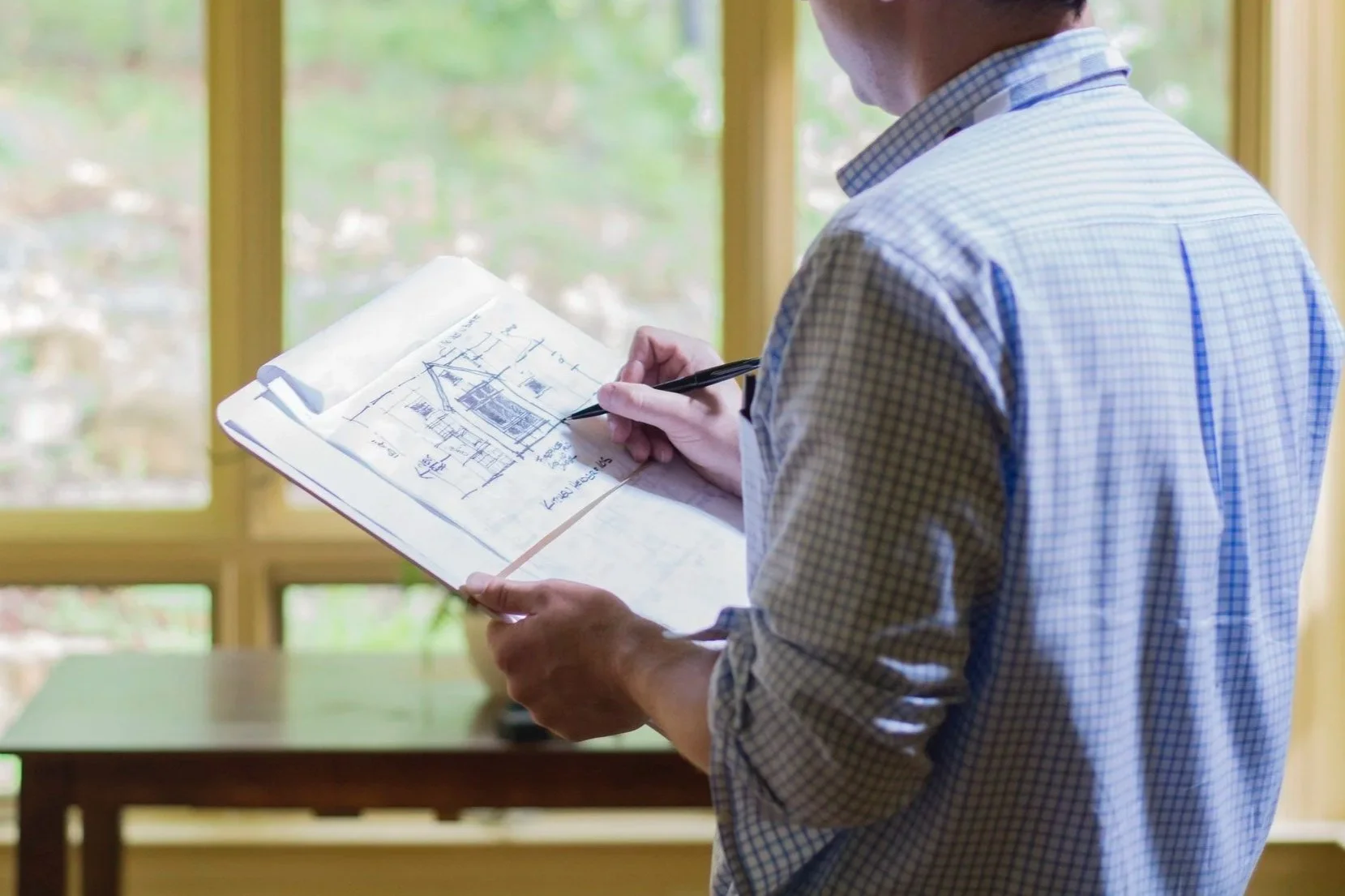
Design choices are informed first and foremost by how you live, not just how the rooms are arranged. The design-build process ensures that every detail aligns with your routines and long-term goals.
Spaces that Reflect Passion
From dedicated hobby rooms to luxury kitchens and bathroom retreats, every feature supports the activities that bring you joy.Collaborative Design Process
Partnering with a skilled custom home builder ensures the final home reflects both function and refined aesthetics.Sustainable and Meaningful Choices
Environmentally conscious materials and designs connect beauty with responsibility, much like our renovation services across Raleigh, Chapel Hill, and Durham.Purposeful Zoning
Each area is thoughtfully positioned to serve multiple uses, adapting to different times of day or gatherings, a principle central to family compound design.
Lifestyle-Centric Design: A New Standard in Custom Homes
Aligning Spaces with Personal Values
Personal values influence the way you live — and they should also define the spaces you inhabit. If sustainability is a guiding principle, solar technology, reclaimed materials, and energy-conscious systems can form the foundation of your design.
If connection is at the heart of your life, shared spaces such as a welcoming kitchen, open living area, or private courtyard can create opportunities for meaningful interaction. This approach embeds your ethos into the structure itself, transforming the home into a sanctuary that reflects who you are.
Your passions also provide direction for distinctive features. A gourmet kitchen for a culinary enthusiast, a dedicated fitness suite for wellness goals, or expansive creative spaces for artistry all serve as tangible expressions of how you live. Flexibility is equally important; thoughtful planning allows your home to adapt as your interests and priorities evolve, ensuring it remains relevant and inspiring for years to come.
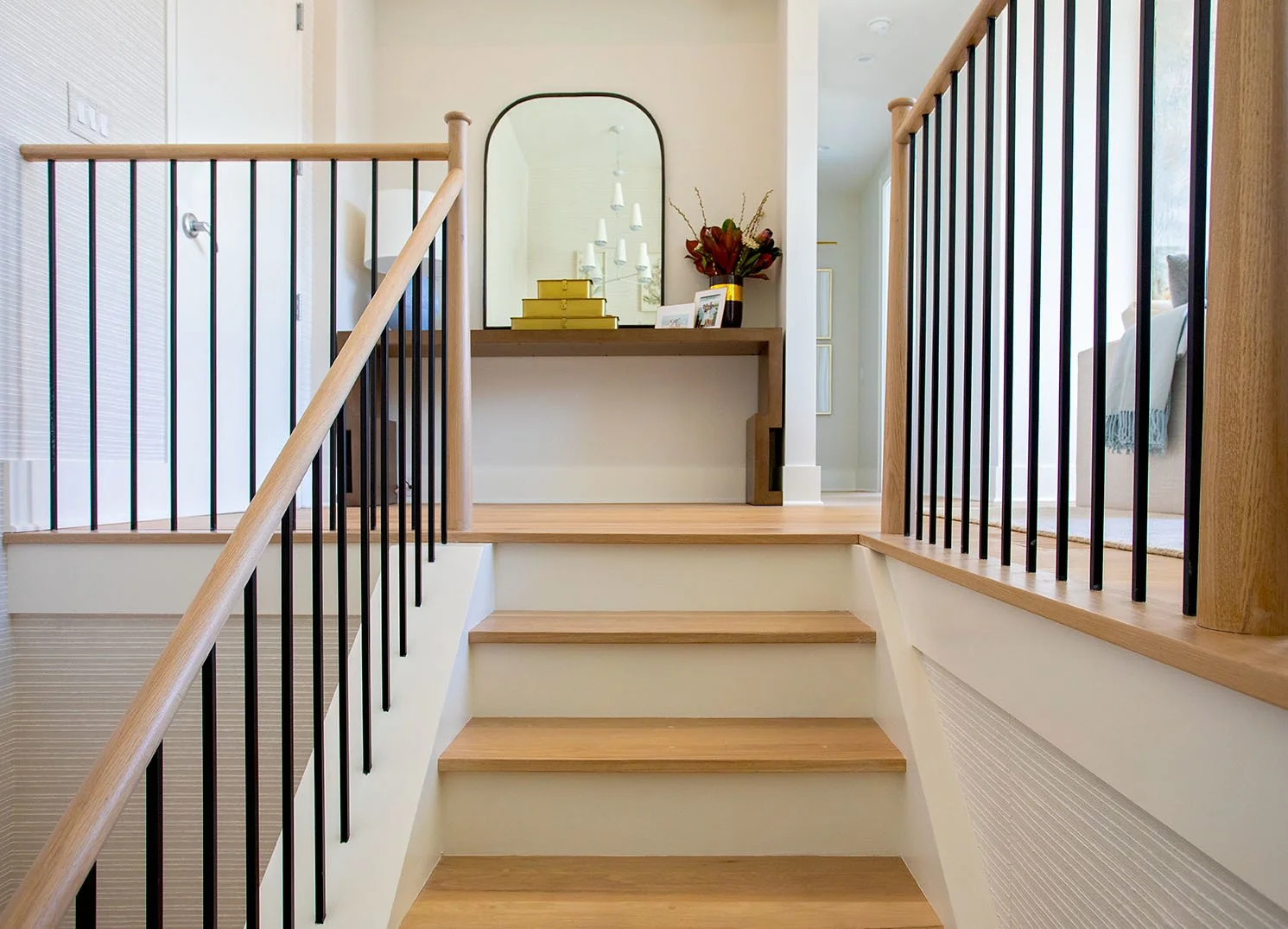
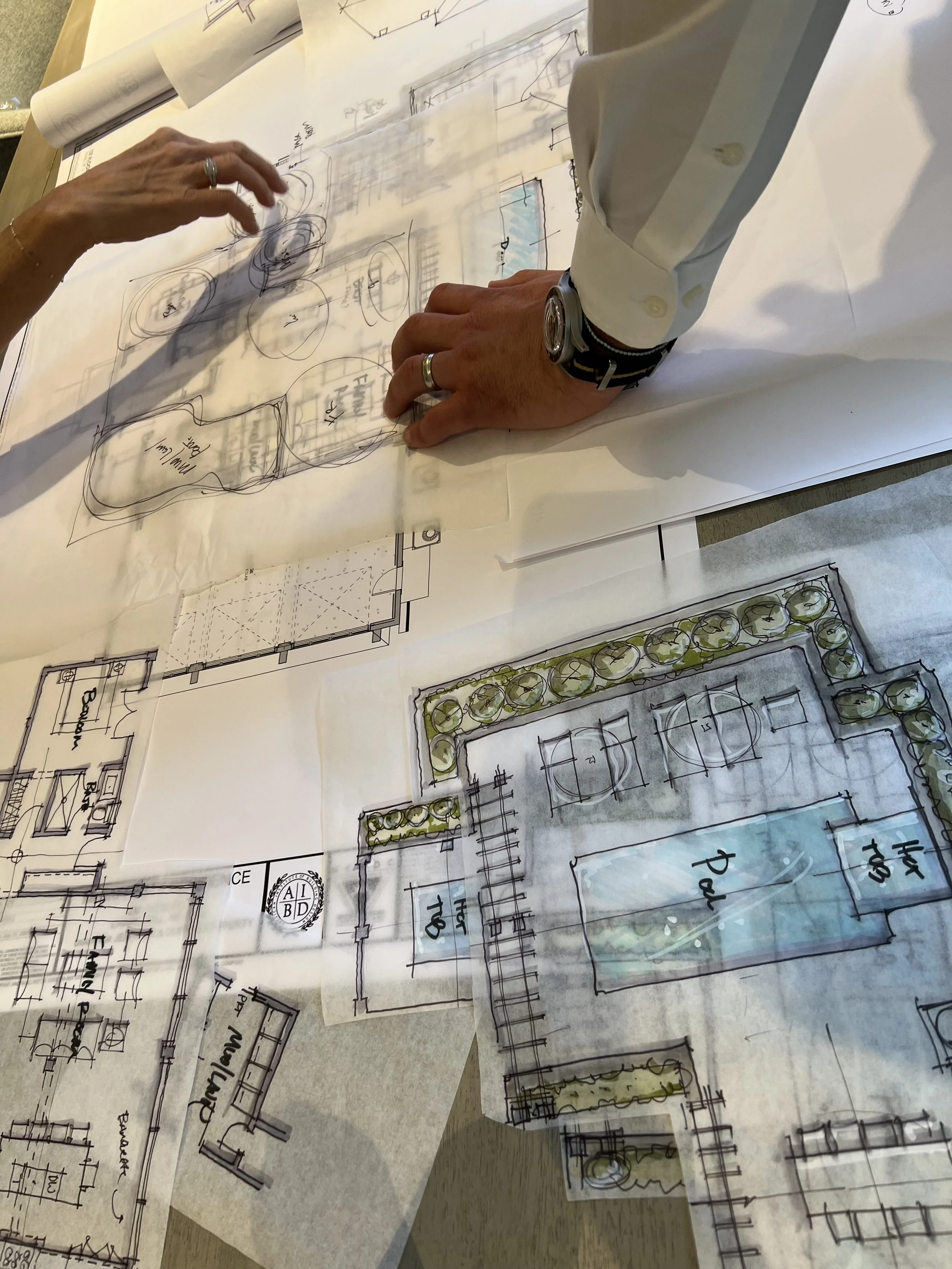

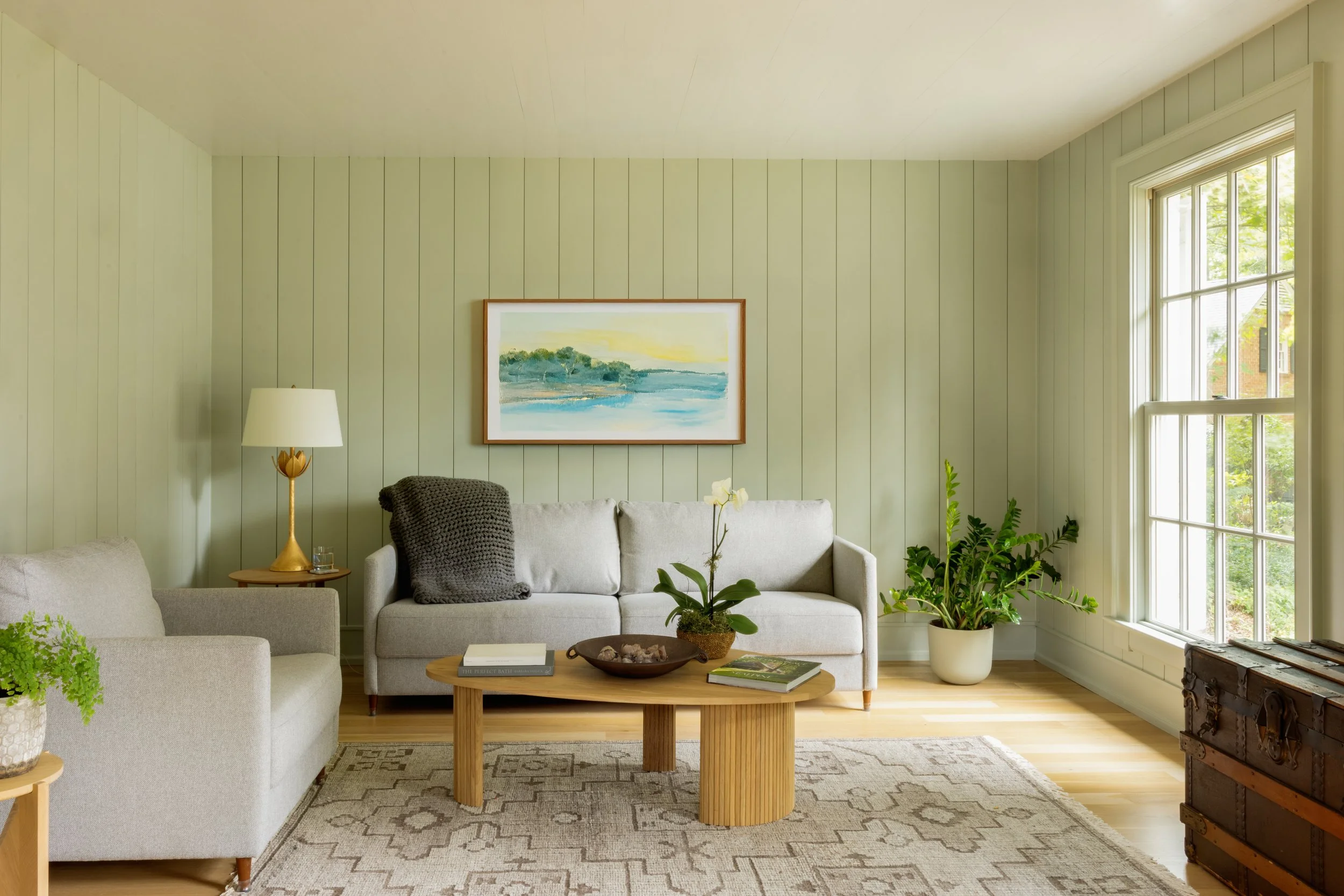
Designing Spaces Around Daily Rhythms
The Influence of Everyday Routines on Layout
Daily habits have a profound influence on how a home should be planned. A tranquil morning routine might call for a sunlit alcove for reading, meditation, or quiet reflection. Those who enjoy hosting may prefer interconnected living and dining areas, often part of our custom homes in Raleigh and Chapel Hill.
A well-considered plan reflects the practical details of living. For a busy household, a discreet yet accessible mudroom can keep the main living areas organized and clutter-free. Morning rituals may be enhanced by positioning the kitchen where natural light streams in at the start of the day, setting an uplifting tone.
Functionality as the Foundation of Design
True luxury lies in spaces that are both beautiful and effortless to live in. A well-equipped kitchen, resilient flooring, or thoughtfully designed storage not only add convenience but also extend the life and value of the home.
Function and style are not opposing forces. A home office can double as a private guest suite, and an entertaining space can be designed for both casual and formal gatherings without sacrificing elegance.
Storage Solutions for a Streamlined Lifestyle
In a home designed for modern living, storage must be both efficient and unobtrusive. Custom cabinetry that fits precisely into alcoves, furniture with concealed compartments, and vertical storage systems all create order while preserving floor space.
Adaptable systems, such as modular shelving or convertible built-ins, can evolve alongside the household’s needs. As seasons and activities change, so too can the configuration, ensuring the home remains as responsive as it is refined.

Flexible Spaces: Designing Rooms with Purpose and Possibility
The Value of Multi-Use Environments
A single space designed to serve multiple functions maximizes its value. An additional bedroom can transition into a home office during the day, while a finished lower level might accommodate both a private gym and an entertainment lounge. These are common considerations in our Chatham County renovations and Wake County renovations.
Technology as a Lifestyle Partner
Intelligent Systems for a Responsive Home
Smart home technology transforms a residence into an environment that anticipates and adapts to your preferences. Through centralized control systems, lighting, climate, security, and entertainment can be managed from a single device.
Sustainable Technologies and the Modern Lifestyle
Energy-efficient appliances, high-performance insulation, and solar power systems not only reduce environmental impact but also create measurable long-term savings. Our luxury renovations emphasize this forward-thinking approach.
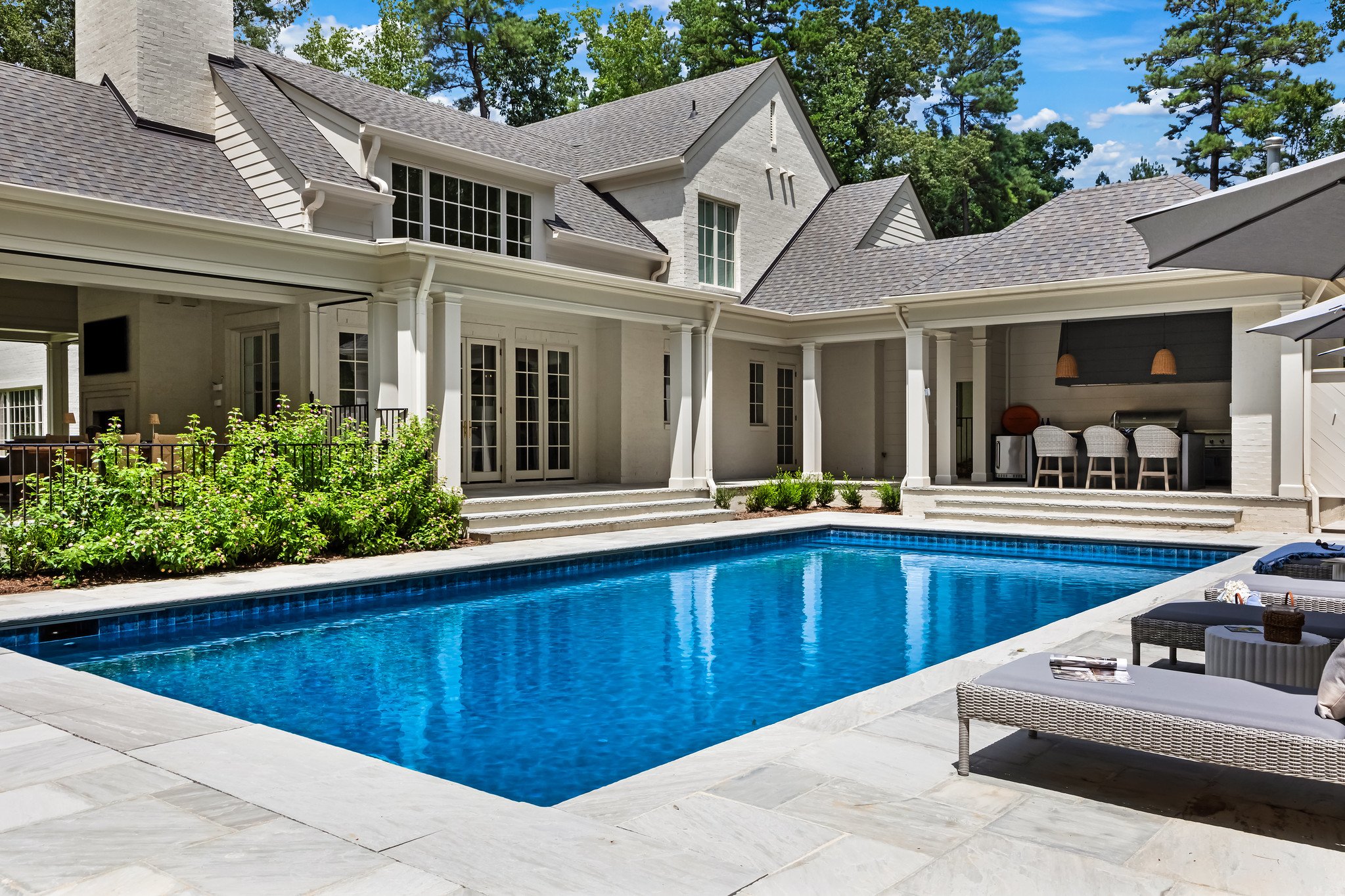
The Role of Community Insight in Custom Design
Drawing Inspiration from Local Perspectives
Engaging with the community during the design phase reveals details that elevate both functionality and authenticity. This is particularly important in areas like historic Chapel Hill renovations.
A Home Connected to the Community
When a home reflects the culture and creativity of its surroundings, it becomes a bridge between personal life and community. Welcoming front porches and gardens, as seen in our Hope Valley custom homes, encourage meaningful interaction.
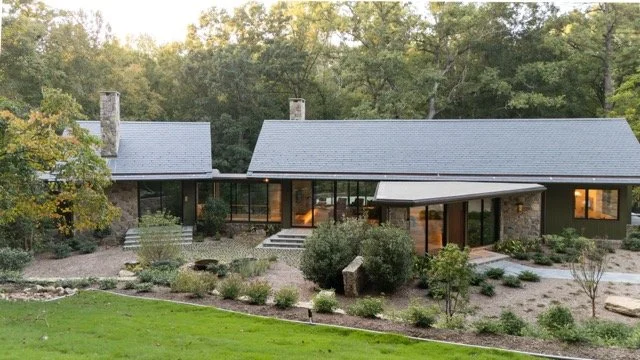
Breaking Away from Conventional Design Standards
Embracing Distinctive Shapes and Textures
Departing from traditional layouts opens the door to design possibilities. Curved walls, angled ceilings, and fluid floor plans can give a home individuality while maintaining structural strength.
Harnessing Natural Light Through Thoughtful Studies
Detailed light studies help position windows, skylights, and living spaces for maximum warmth and balance, a hallmark of our custom homes in Cary.
Personal Expression Through Thoughtful Customization
A custom home provides an opportunity to tell your story through design. Moving beyond standardized finishes allows every choice — from the arrangement of spaces to the smallest hardware detail — to reflect your lifestyle. This commitment to individuality is echoed in our legacy home projects.
Bringing the Vision Home
Designing a custom home that truly reflects your lifestyle means moving beyond measurements and standard layouts. It’s about creating spaces that respond to the way you live, how you gather, entertain, and retreat.
As you begin your journey, envision how each space will support balance, creativity, and connection. A well-designed home is more than walls and rooms — it is the setting for your life’s most meaningful moments.
Ready to Begin Your Own Lifestyle-Centered Design Journey?
If you’re ready to create a home designed around the way you live, our team is here to guide you from concept to completion. Start by visiting our services page, viewing our work, or reaching out through our contact page.

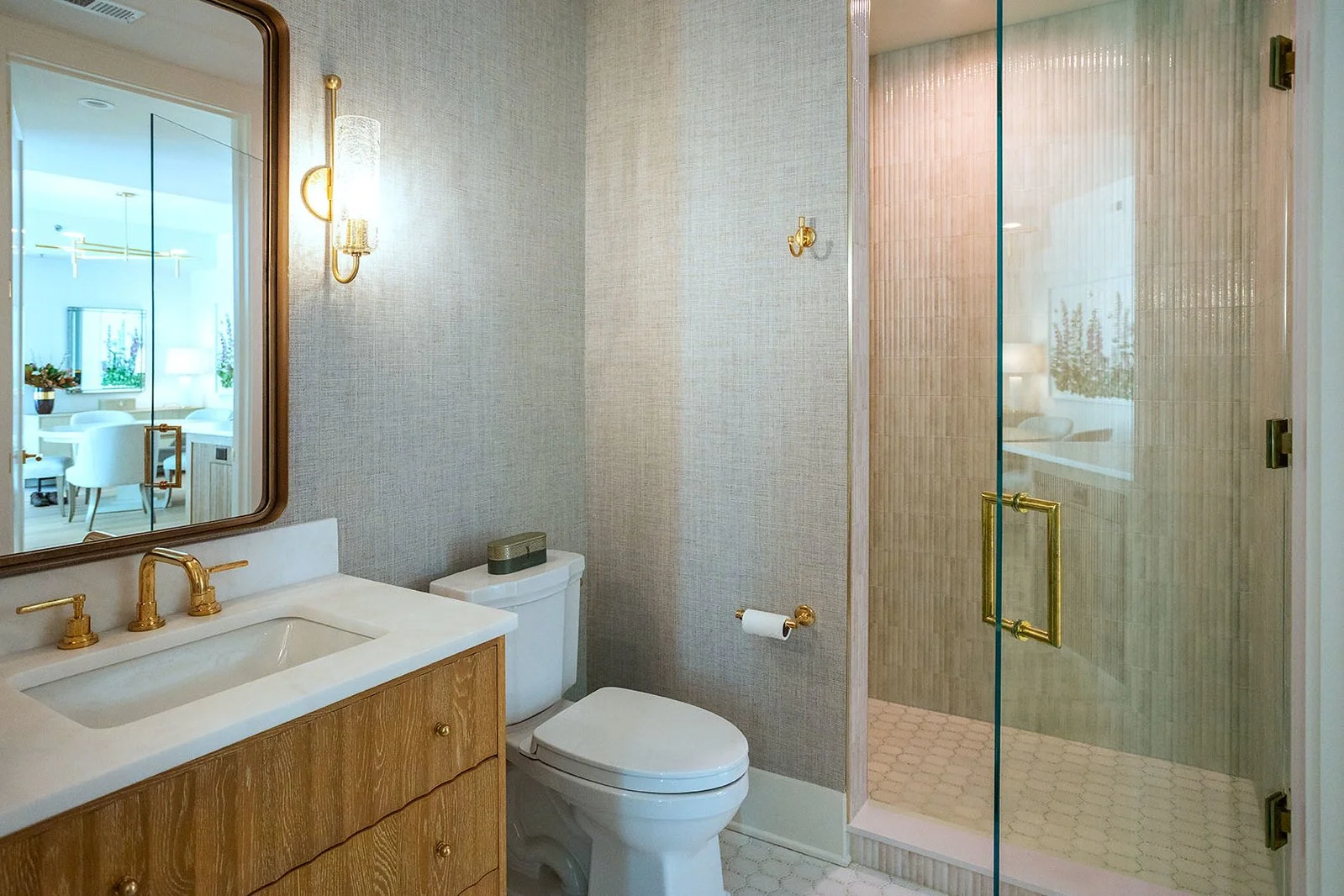

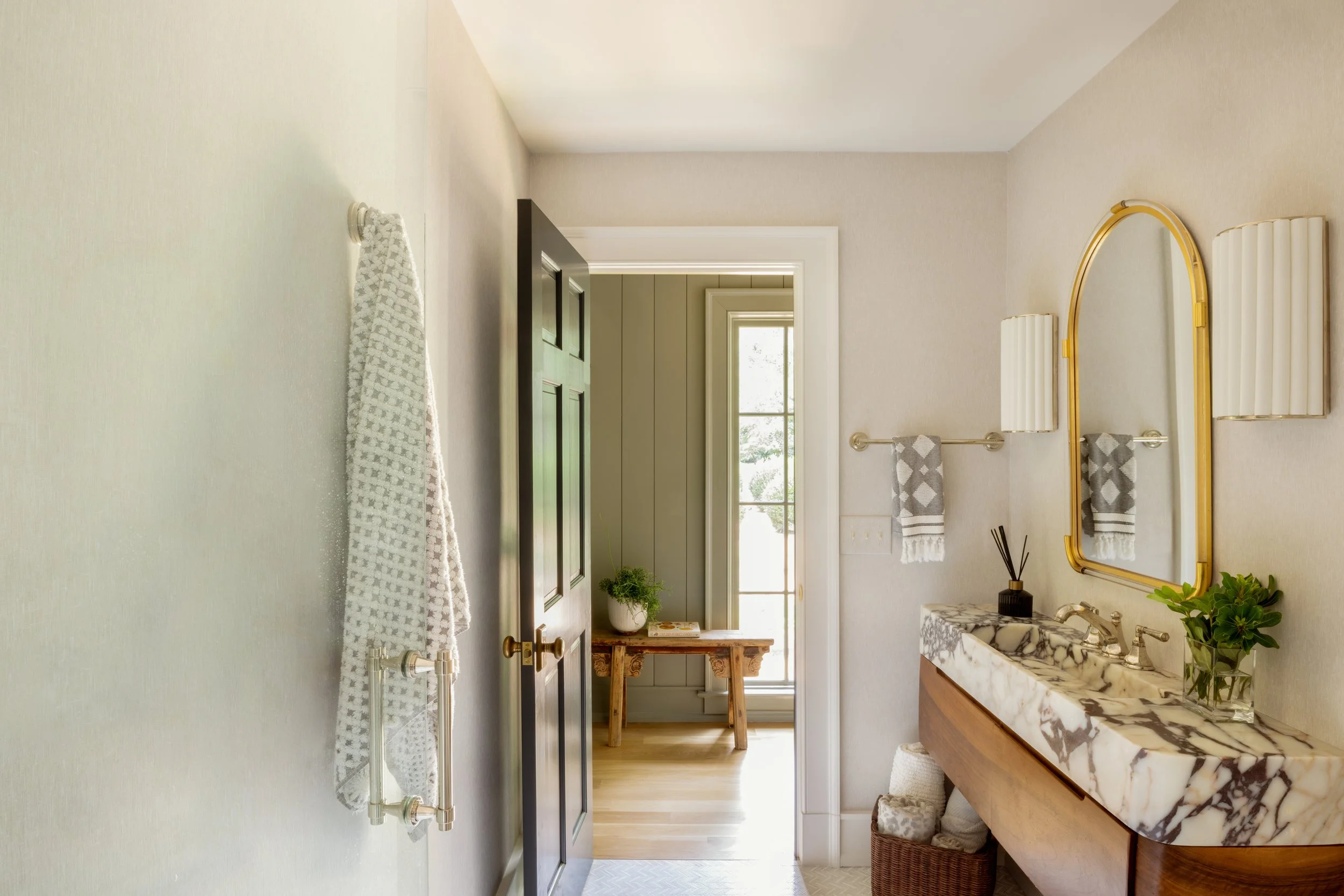
Insight for Future Homeowners: Frequently Asked Questions
What does “Beyond Square Footage” mean in the context of home design?
It’s an approach that places lifestyle at the forefront, much like in our design-build difference blog.
Why design a home around lifestyle rather than just layout?
Lifestyle-driven design ensures every space is both functional and meaningful, reflecting your routines and long-term goals.
How can I determine my lifestyle needs when planning a custom home?
Start by evaluating your habits and spaces that matter most. Working with an experienced custom home builder will help translate these needs into a tailored plan.
Can “Beyond Square Footage” principles apply to existing homes?
Yes. Our renovation services incorporate these principles into existing structures.
What are examples of lifestyle-centered design features?
Examples include open-plan living, wellness spaces, and smart home systems.
Is it more expensive to design a home based on lifestyle?
While it may involve custom details, the long-term benefits often outweigh the investment.
How can I work with a designer to achieve this approach?
Share your vision early in the design process. A skilled team will ensure every decision aligns with your goals.
