
Guest Cottages, Pool Houses, and Pavilions: Multi-Structure Living Done Well
The Appeal of Multi-Structure Living in the Triangle
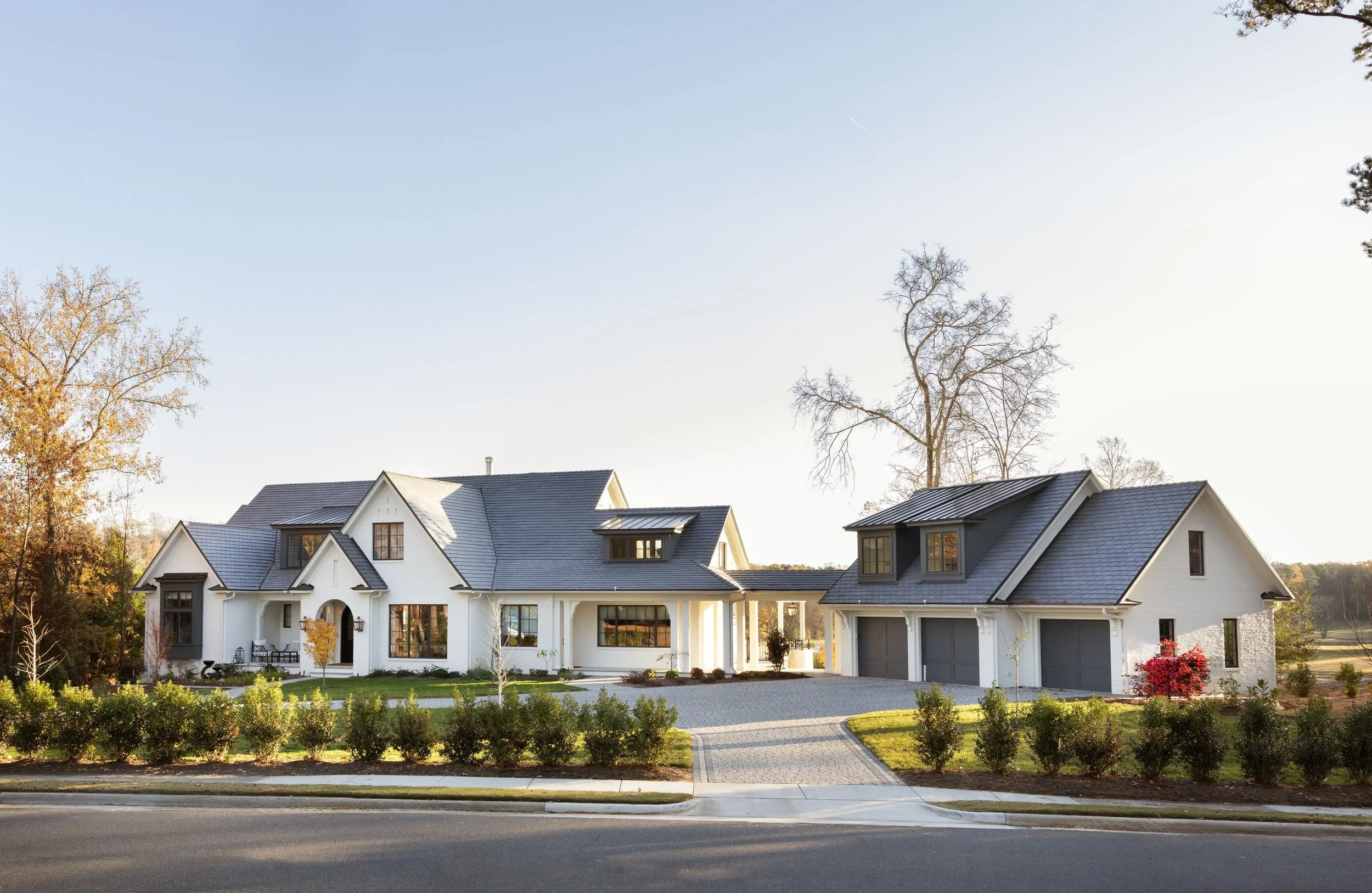
Many high-end homes in the Triangle now extend well beyond a single main residence. Families ask for guest cottages, pool houses, detached studios, and garden pavilions that allow different generations and activities to unfold without crowding the core of the home. These secondary buildings make an estate feel like a small village, with each structure tuned carefully to a specific purpose, and they often appear as part of broader custom home building conversations rather than last-minute additions.
Multi-structure living offers flexibility that traditional layouts rarely match. Grandparents can stay for weeks without feeling underfoot. College-age children can return home yet retain a sense of independence. Friends visiting Chapel Hill or Durham for a long weekend enjoy comfortable quarters that rival boutique hotels. Meanwhile, the main house remains a calm daily base for work, school, and quiet evenings.
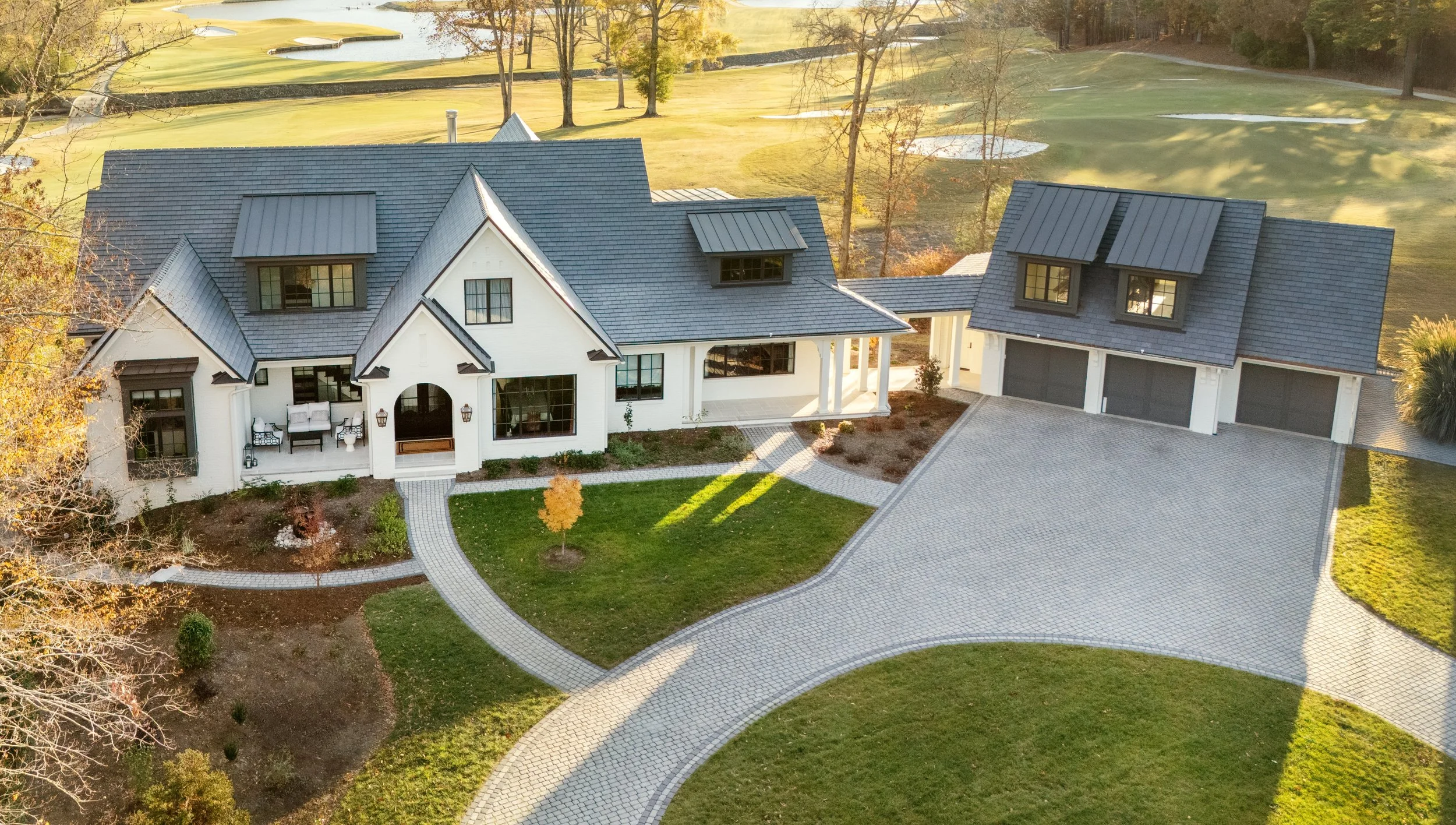
Will Johnson Building Company often approaches these projects as unified compounds rather than a house with a few outbuildings. Site lines, circulation, and landscape framing tie everything together. When the planning succeeds, moving between buildings feels natural and intuitive, and the property supports entertaining, work, and rest in equal measure, similar to the principles outlined in building family compounds and forever homes in the Triangle.
Planning a Residential Compound with Intention
Clarifying How the Family Will Use Each Structure
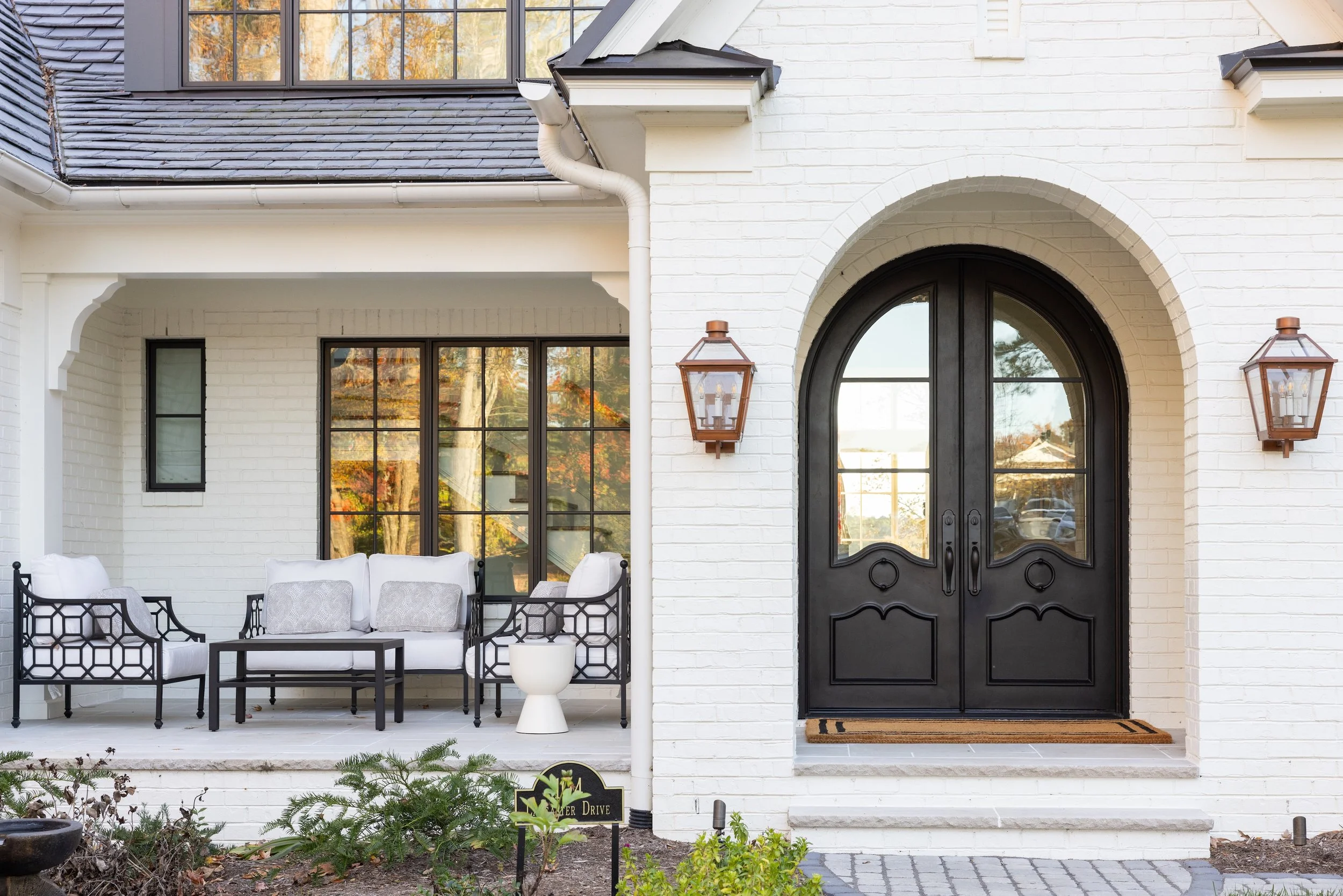
Every successful compound begins with a clear understanding of lifestyle. Some families prioritize hosting, so guest suites and pool houses take center stage. Others want a dedicated art studio, home gym, or detached office where phone calls and creative work can happen without interrupting household routines, and those priorities often emerge during custom home design planning rather than after construction documents are already underway.
During early conversations, it helps to map specific scenarios. Extended family Christmas, a graduation weekend, a pool party, a quiet writing retreat, a work trip that brings colleagues into town—all of these events place different demands on a property. Listing these use cases reveals which structures should feel more public, which should stay private, and where flexible spaces might serve several roles across the year.
Site Planning, Views, and Privacy
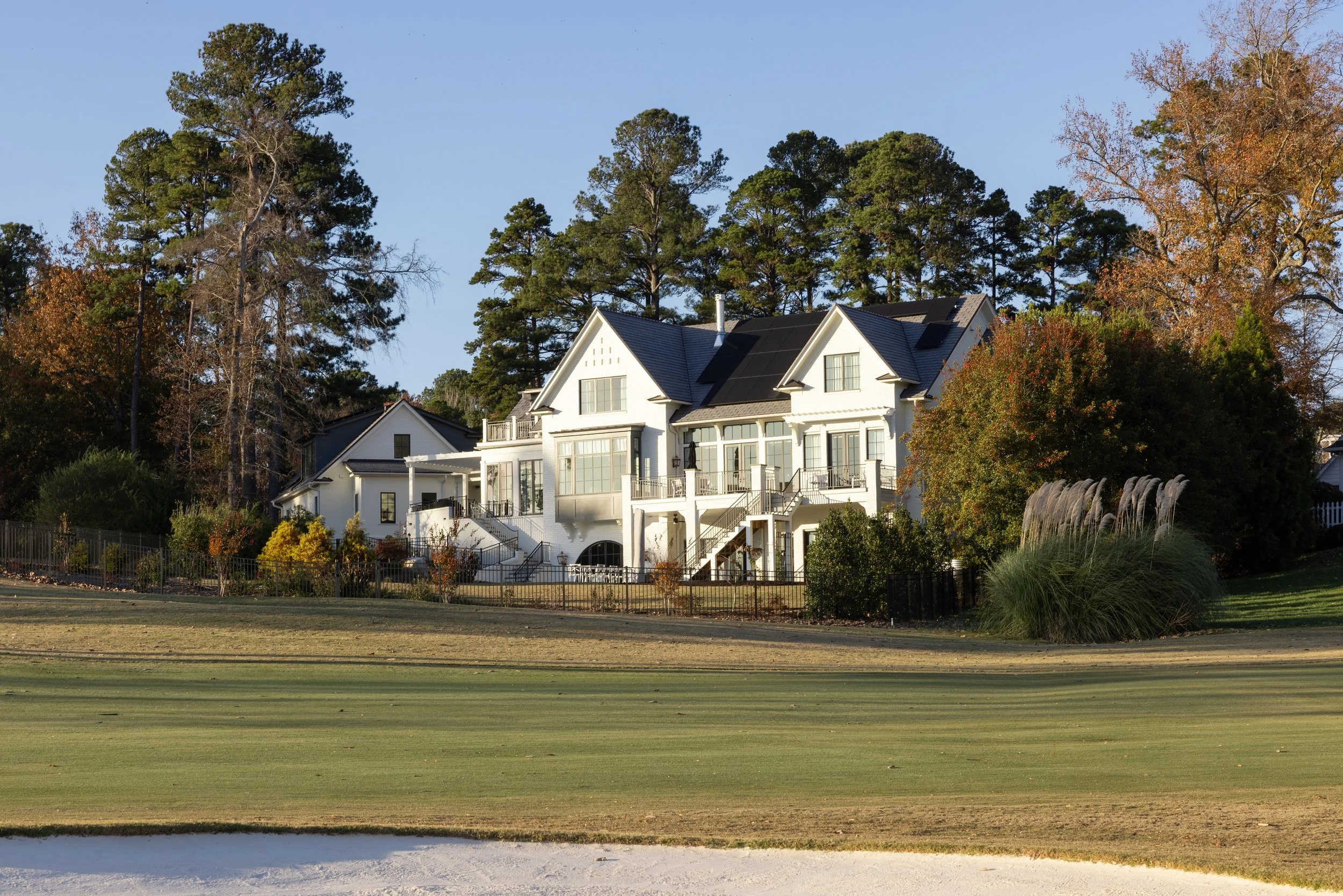
Once purposes are clear, attention shifts to the land. Orientation, grading, trees, and prevailing breezes often decide where new buildings belong. A guest cottage may sit slightly downhill or tucked behind a stand of mature trees, preserving privacy for both visitors and the main house. A pool house typically lines up with the primary axis of the pool and terrace so that doors open directly toward water and lounges. Garden pavilions frequently occupy the end of a path or vista, acting as focal points framed by plantings.
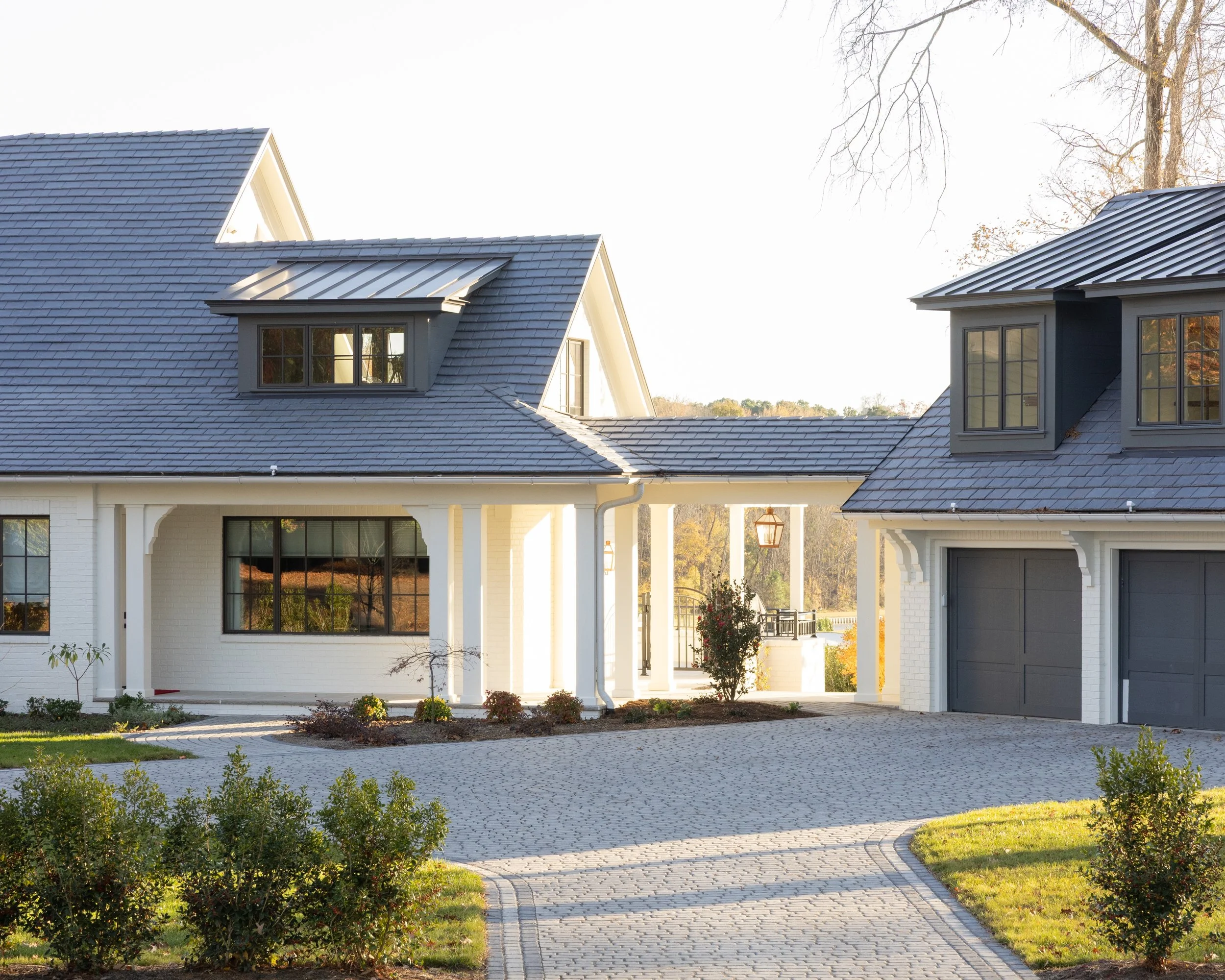
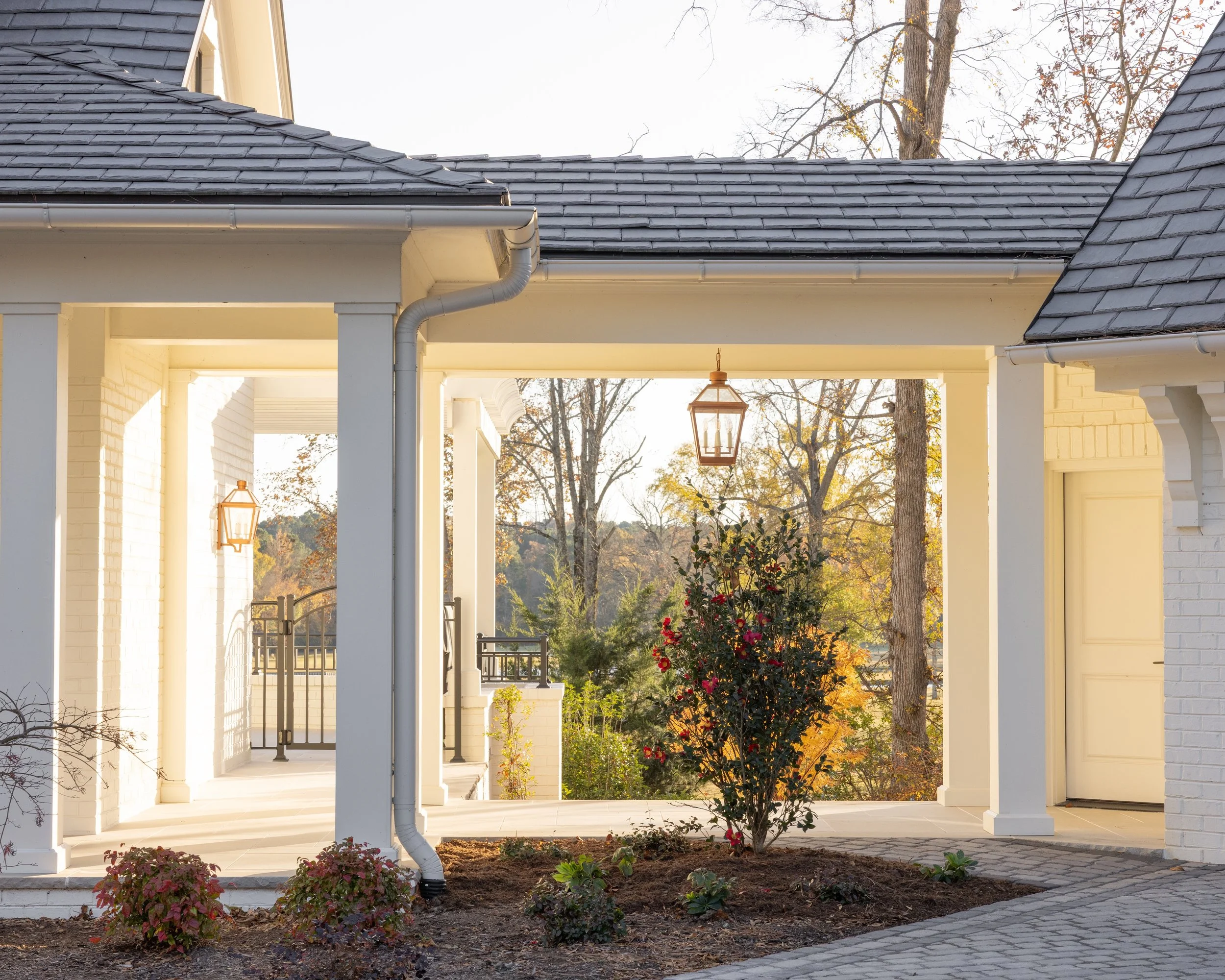
Thoughtful separation creates a sense of retreat without isolation. Paths should be short and well-lit. Covered breezeways or connecting terraces allow people to move comfortably in any weather. When structures align with natural views—toward a wooded edge, a meadow, or distant skyline—they feel rooted rather than scattered, which is often easiest to achieve when site planning is integrated into a defined design-build process.
Guest Cottages That Feel Welcoming, Not Secondary
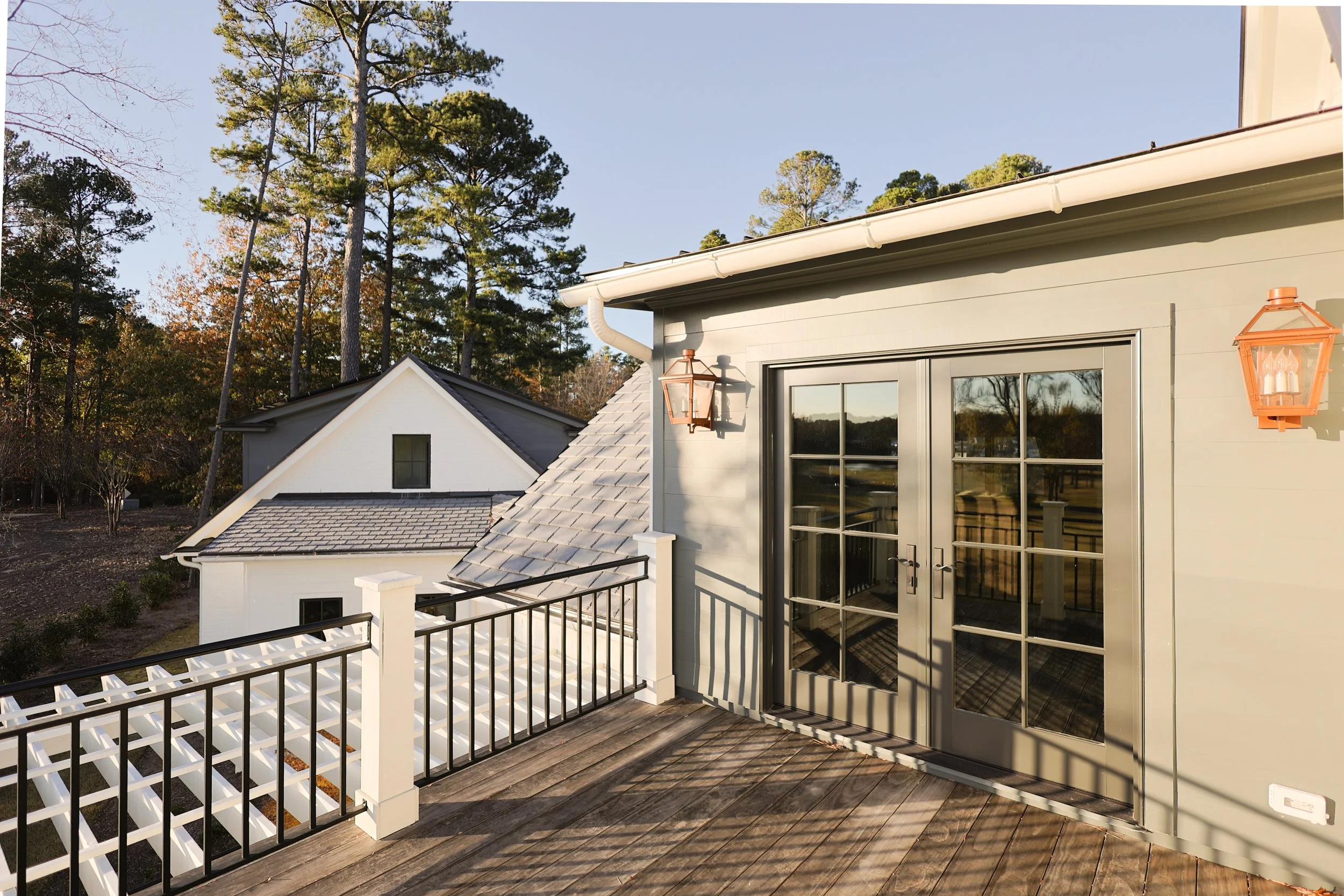
A guest cottage works best when it functions as a complete little home. Visitors appreciate an obvious front door, a small entry, and a living area that does not feel like a converted storage room. Bedrooms should be quiet and private, ideally with windows on two walls for soft daylight and cross-breezes. A comfortable sitting area gives guests somewhere to read, take calls, or unwind after events in the main house.
Layouts That Respect Guests and Hosts
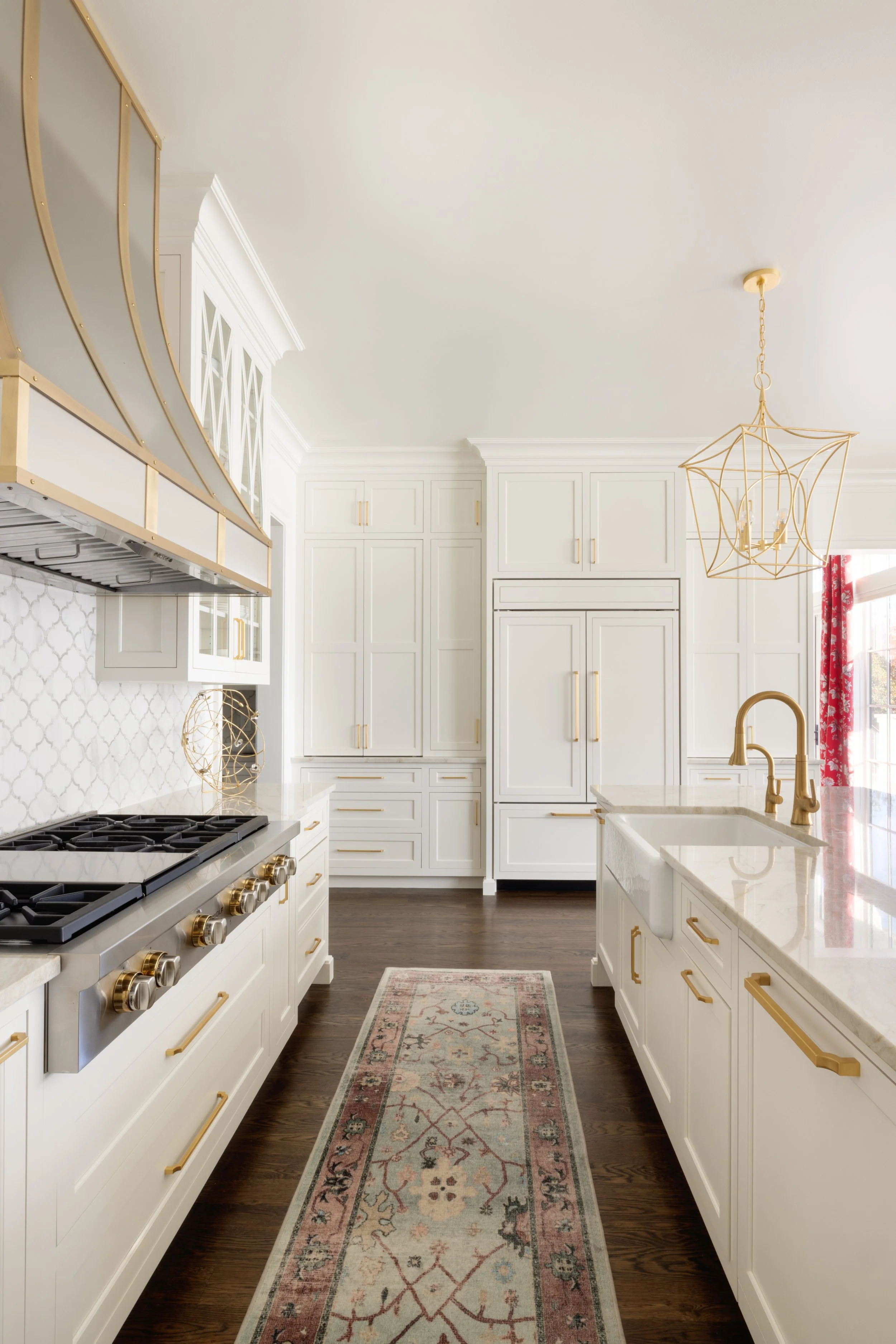
Separation between sleeping spaces and gathering spaces matters. Even a compact cottage benefits from a subtle transition—a short hall, a pocket door, or a change in ceiling height—that signals the move from social to restful zones. Good sound insulation at shared walls and between floors keeps late-night conversations or early risers from disturbing one another.
Kitchenettes, Laundry, and Longer Stays
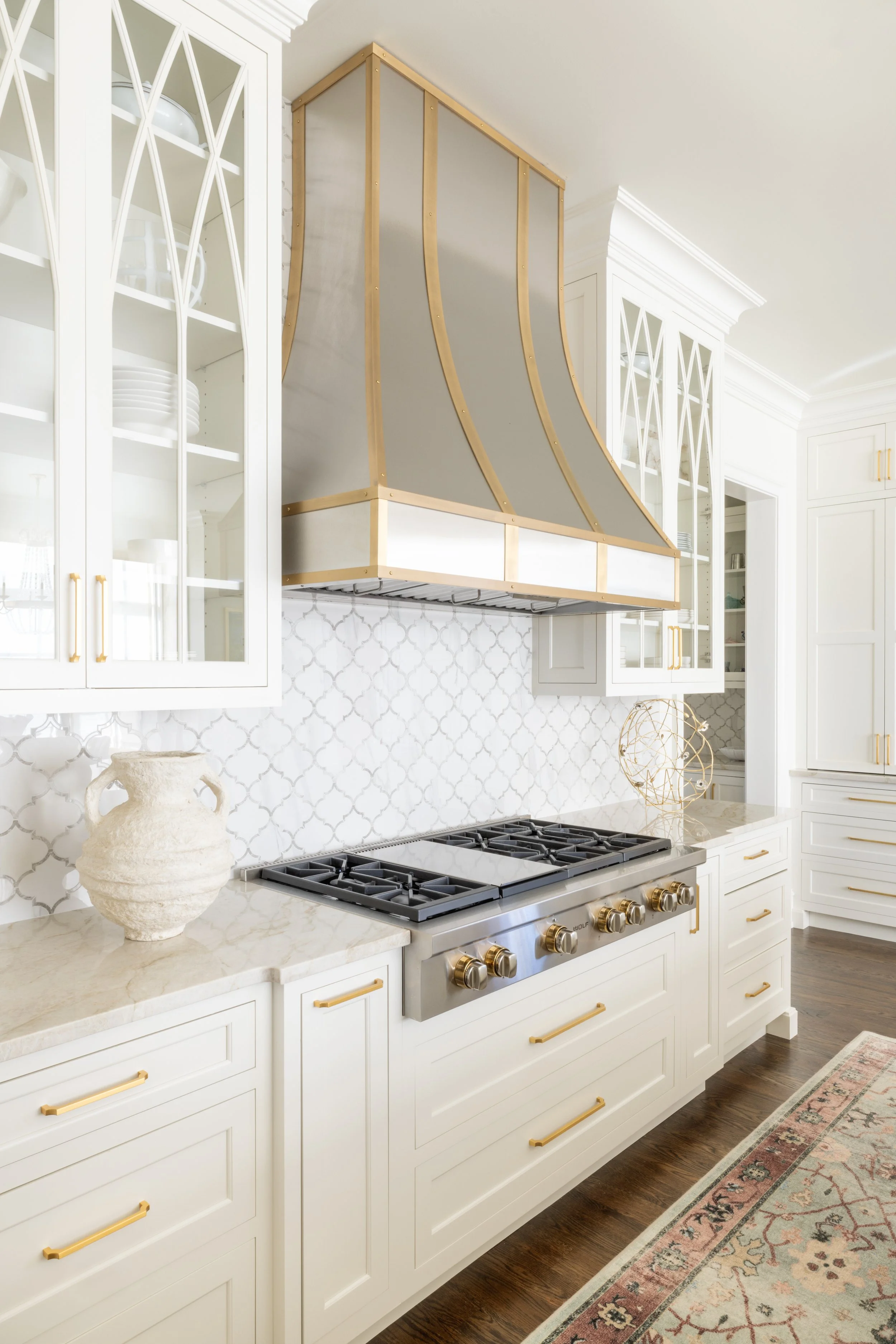
For weekend visits, a simple kitchenette with an undercounter refrigerator, sink, coffee setup, and microwave may be plenty. For longer stays, guests often appreciate a two-burner cooktop, a small oven, and additional storage. Thoughtful placement of these elements preserves the cottage’s calm, residential feel instead of making it look like a full commercial suite, while still supporting the level of comfort expected in high-end residential work.
A compact laundry closet extends independence for guests who stay more than a few days. It also allows adult children or grandparents to settle in for a season without relying on the main house for every practical need. High-quality finishes, comfortable bedding, and generous natural light shift the cottage from “spare room behind the garage” to a place guests actively look forward to returning to.

Pool Houses as Four-Season Living Rooms
Pool houses once served mainly as changing rooms and storage for floats. Today they often act as full secondary living rooms that happen to sit beside the water. Tall glass doors, vaulted ceilings, and indoor-outdoor flooring invite people to move easily between pool, terrace, and shaded retreat. Comfortable seating, dining space, and a well-designed bar or kitchenette encourage gatherings that last well into the evening, especially when the broader exterior environment is designed to feel like a true extension of the home.
Balancing Recreation and Relaxation
A pool house used regularly should handle moisture, sunscreen, and bare feet gracefully. Durable stone or porcelain tile flooring, wipeable surfaces, and appropriately placed hooks and cubbies reduce clutter. A full bath or at least a generous powder room near the entry keeps drips contained and keeps guests from walking back and forth through the main house.
Storage, Mechanical Needs, and Durability
Behind the scenes, a strong pool house design quietly handles equipment and storage. Dedicated closets can hide pool supplies, outdoor cushions, and space heaters. A small mechanical room may house pumps, filters, and controls, allowing year-round access without stepping outdoors in bad weather. When these functions tuck neatly behind finished walls, the visible portion of the building stays serene and resort-like.
Finishes must stand up to humidity and fluctuating temperatures. High-performance windows, proper insulation, and dehumidification systems protect millwork and fabrics. Ceiling fans, operable clerestory windows, and thoughtful shading allow comfortable use in shoulder seasons before the pool opens and long after it closes. The goal is a flexible building that feels as welcoming on a crisp autumn afternoon as it does during high summer.

Garden Pavilions and Outdoor Rooms
Shade, Shelter, and Comfort
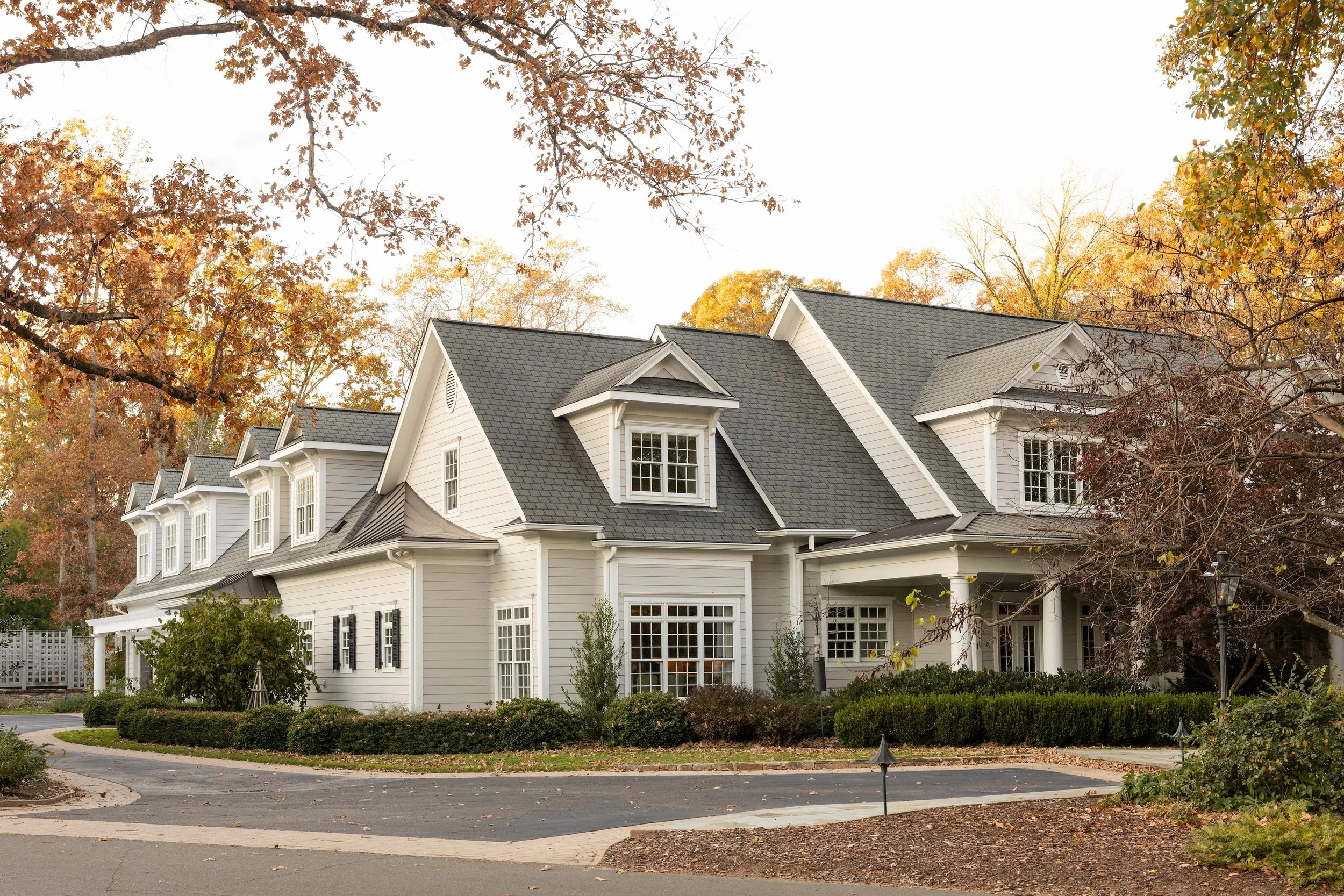
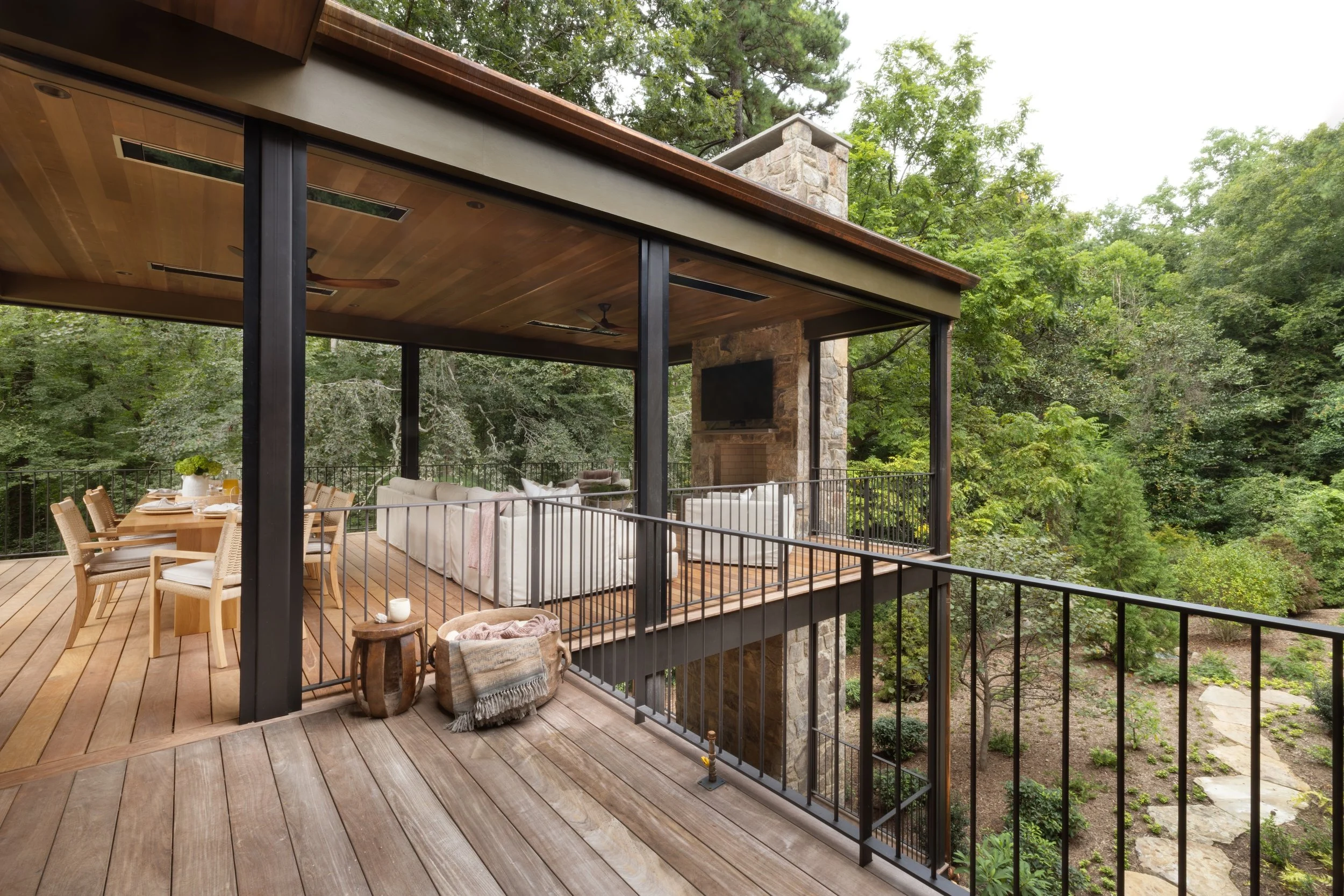
Garden pavilions, arbors, and open-air structures often seem deceptively simple. Yet comfort in these spaces depends on precise proportions and detailing. Roof height must balance openness with intimacy. Columns and beams should frame views without blocking them. Orientation should catch breezes while avoiding harsh western sun.
A pavilion near the main house might function as an outdoor dining room, complete with built-in grill, fireplace, and storage for tableware. A structure deeper on the property could act as a quiet meditation or reading retreat. In either case, access to power, lighting, and sometimes integrated speakers makes the space easy to use after dark. Fans and infrared heaters extend the season significantly, especially in the Triangle’s variable spring and fall.

Integrating Landscape and Family
The landscape wrapping a pavilion or secondary structure carries as much importance as the building itself. Paths, plantings, and low walls help visitors understand where to walk and where to linger. A bench carved into a low stone wall or a generous step edge can double as informal seating during larger gatherings.
Materials offer a subtle way to create cohesion. Repeating the brick or stone of the main home at bases or walkways ties everything together. Shingles, metal, or slate roofing that complements the principal residence helps the pavilion feel intentional rather than temporary. When buildings and gardens speak the same language, the property reads as a single, carefully composed environment.
Year-Round Use: Beyond Summer Weekends

Multi-Generational Living and Life Transitions
Secondary buildings support families across many seasons of life. A guest cottage that initially hosts visiting grandparents may later become a semi-permanent residence for an adult child launching a career in the Triangle. Eventually it might house a caregiver or a close friend. Designing with adaptability in mind—universal access, generous door widths, and the ability to add small accessibility features—protects that future flexibility.
Pool houses and pavilions also adapt easily. A structure that begins as a game room for younger children can evolve into a quiet adult entertaining space once those children leave for college. Good natural light, insulation, and access to plumbing can allow future conversion into a study, studio, or small in-law suite if zoning permits. Initial investment in quality infrastructure opens doors for later reconfiguration without major reconstruction.
Work, Wellness, and Creative Spaces
As more work happens remotely, detached structures often step in as professional-grade offices. A guest cottage with strong data lines, acoustic separation, and a small conference table allows calls and meetings without disturbing the main household. During off-hours, the same building still welcomes visitors, which aligns well with the long-term flexibility expected in high-end custom home projects.
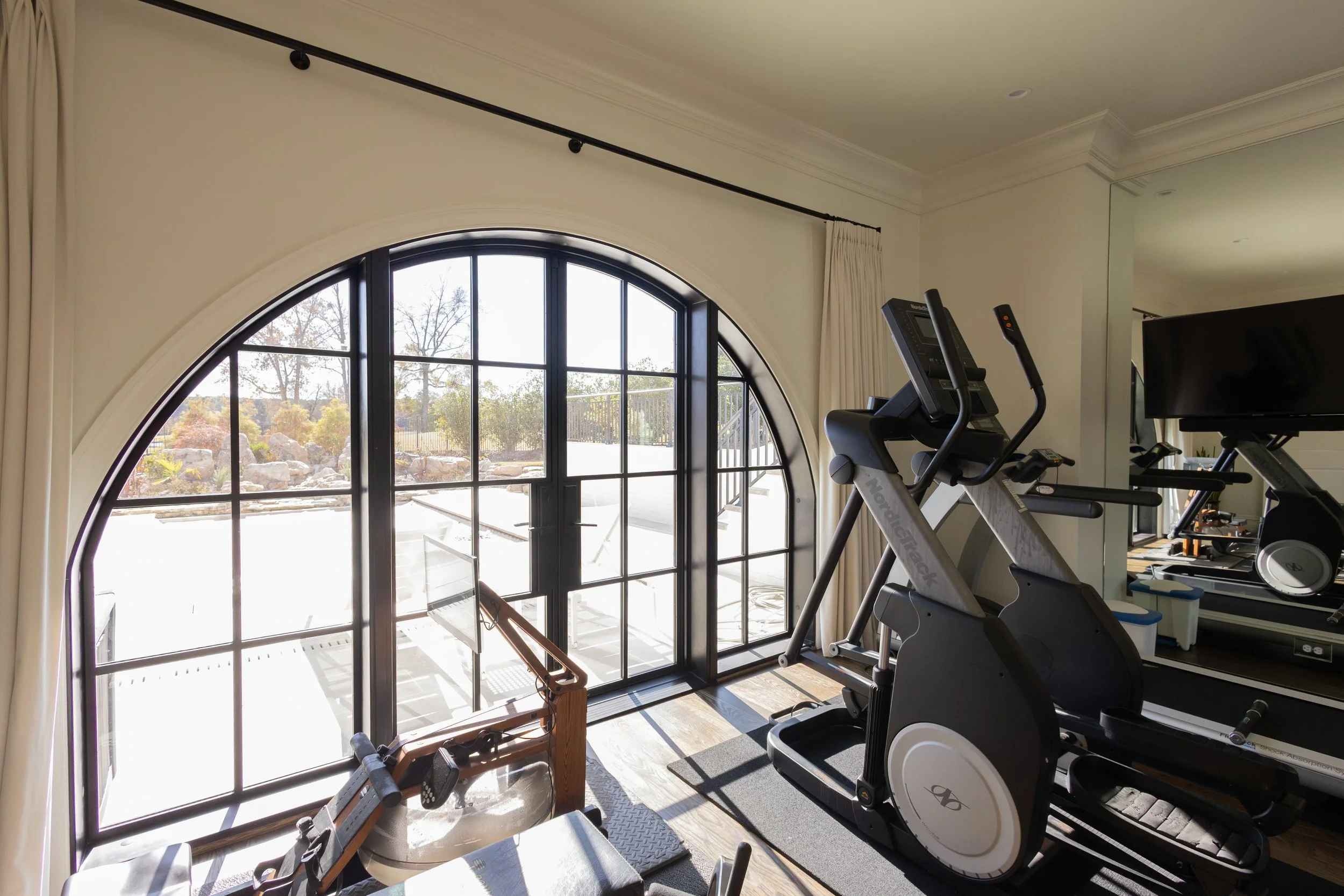
Secondary buildings also lend themselves to wellness and creativity. Yoga studios, small gyms, painting or woodworking spaces, and music rooms feel more peaceful when slightly set apart. Natural light, generous ventilation, and views toward trees or gardens support focus and recovery. When work and wellness have defined homes on the property, the main residence can remain centered on family life and hospitality.
Zoning, Codes, and Practical Considerations

Understanding Local Regulations
Before anyone sketches charming cottages or pavilions, it is essential to understand local zoning and neighborhood guidelines. Questions often include:
How many detached structures does the property allow?
Are accessory dwelling units permitted, and under what conditions?
What are the setback, height, and lot-coverage limits?
May secondary buildings include full kitchens, or only kitchenettes?
Clear answers protect the investment and avoid surprises in permitting. In historic or conservation districts, additional review may be required, especially when new buildings alter the streetscape or views from neighboring properties. An experienced builder can interpret these rules and suggest strategies that honor both regulations and the client’s goals, especially when compound planning is integrated early through custom home planning and site evaluation.
Infrastructure, Access, and Security
Multi-structure living adds layers of infrastructure planning. Utilities must reach each building efficiently, with adequate capacity for future needs. Water, sewer or septic, power, gas, and data all require thoughtful routing. In some cases, it makes sense to run a small “utility spine” along a drive or path that feeds multiple structures cleanly.
Driveways and parking also deserve attention. Guests should have an obvious place to park that does not block daily patterns for the household. Service vehicles for catering, deliveries, or maintenance need discreet access. Lighting and security systems must cover the full compound, with controls that are simple enough for everyday use yet robust enough for travel periods. When these elements operate smoothly, the property feels both private and welcoming.

Crafting Cohesion Across Multiple Buildings
Creating Your Sites Personal Language and Materials
Each building on an estate can express its own personality, but they should still feel related. Sometimes the main home sets the tone and secondary structures echo key elements in a simplified way: similar roof pitches, trim profiles, or window grids. In other cases, a pool house or pavilion introduces a slightly more contemporary note, acting as a bridge between classic design and modern outdoor living.
Scale and proportion are critical. A guest cottage should not visually overpower the primary residence, yet it should still hold its own when approached closely. Careful attention to rooflines, eaves, and window placement prevents a secondary building from reading like an oversized shed. When design pairs across the property sharing a common rhythm, guests sense a quiet order even if they cannot articulate why.
Interiors That Speak the Same Design Dialect
Inside, materials and palettes can shift subtly while preserving cohesion. A guest cottage might repeat the main house’s plank flooring, then introduce slightly lighter cabinetry or more playful tile. A pool house could feature stone and plaster that tie into exterior terraces, with fabrics and furniture tuned to withstand wet swimsuits and heavy use, drawing inspiration from how interiors and exteriors relate across a well-composed property.
Lighting, hardware, and millwork details provide another layer of connection. Similar door profiles, cabinet pulls, and window casings link interiors, even when colors or finishes change. The aim is for guests to feel that every building belongs to the same family, even as each one reflects its own role.
Partnering with a Builder for Multi-Structure Projects
Multi-structure living touches every aspect of residential design: design, landscape, engineering, interior design, and long-range planning. Coordination across all of these disciplines becomes even more important when utilities, grading, and circulation must serve several buildings at once. Many homeowners find it helpful to review service options and how they align with compound-scale projects before deciding what to build first and what to phase over time.
Will Johnson Building Company approaches compounds, guest cottages, pool houses, and pavilions as long-term frameworks for living. Conversations focus on how families entertain, host, work, and recharge. Site studies, zoning research, and careful phasing plans help clients understand what can be built immediately and what might be added gracefully over time, echoing the planning principles discussed in building family compounds and forever homes in the Triangle.
When executed thoughtfully, a property with multiple structures feels less like a single house on a large lot and more like a small, private hamlet. Guests arrive, settle in effortlessly, and sense the care in every path and doorway. Family members find spaces that match each season of life. The result is a home that extends far beyond its front door, offering many ways to live well, year after year. To discuss compound planning, site feasibility, or phasing strategy for a property in the Triangle, contact Will Johnson Building Company to start the conversation.
